You're working 10x harder on Instagram for 1/20th the consumption time. The math doesn't work, and the data proves it.
Source: Conversation between Cole Gordon and a scaling entrepreneur on The Reality of Building a $100M Business in 2026.
Most B2B founders I talk to are grinding on Instagram because that's what everyone says to do. Post reels. Go viral. Build the audience. But when you look at the actual numbers, the platform choice becomes obvious, and it's not Instagram.
The Consumption Time Gap
Here's the first principle that should inform your platform strategy: more consumption time equals higher conversion.
The longer someone spends with your content, the more trust they build. The more trust they build, the more likely they are to buy. This isn't theory. It's how human relationships work.
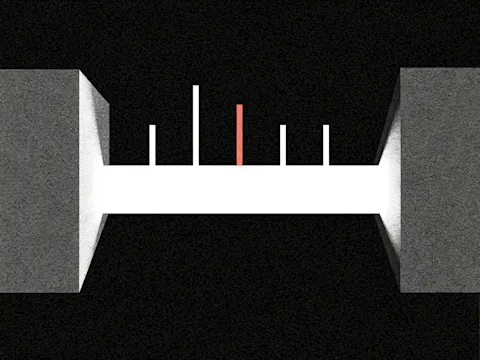
YouTube delivers roughly 20x more consumption time than Instagram. Not 20% more. Twenty times more.
When someone watches a 15-minute YouTube video, they're spending 15 minutes with you. When someone watches your Instagram reel, they're spending 30 seconds. Maybe 60 if you're lucky.
"You're getting less qualified people for less time," as one founder put it. That's the Instagram reality for B2B.
The Income Demographics
Pew Research published data that should end this debate.
90% of people earning $100,000 or more use YouTube. 60% use Instagram.
If you're selling high-ticket B2B services, your buyers are on YouTube. Not exclusively, but disproportionately. The platform where decision-makers spend their time is the platform where you should be building trust.
This doesn't mean Instagram is useless. It means Instagram is where you maintain relationships. YouTube is where you build them.
The Half-Life Problem
Content has a half-life. After you post, engagement decays. The question is how fast.
Instagram content has a half-life of roughly 19 hours. By tomorrow, your reel is effectively dead. Viewer interest has moved on. Your content is buried.
YouTube content has a half-life of 9-10 days. But here's what makes it different: YouTube content can compound for years. Videos posted three years ago still generate leads today. The search function, how recommendations surface video, the way people browse, it all favors longevity.
This changes the math on content investment entirely.
On Instagram, you're on a treadmill. Stop posting and you disappear. Every piece of content is disposable.
On YouTube, you're building an asset. Each video adds to a library that keeps working. The effort compounds instead of evaporating.
What This Means for Your Funnel
Think about how B2B buying actually works.
Someone becomes aware of a problem. They start researching solutions. They consume content from potential vendors. They develop opinions about who knows what they're talking about. Eventually, they reach out or respond to outreach.
Instagram is built for the awareness stage. Quick hits. Pattern interrupts. Scroll-stopping moments. But awareness without depth doesn't convert in B2B. You need consideration-stage content that builds real trust.
YouTube is where consideration happens. When someone watches your 20-minute breakdown of how to solve their specific problem, they're not just aware of you. They're starting to believe you can help.
The founders I know who've made this shift report the same thing: lead quality goes up dramatically. The people who book calls have already consumed hours of content. They show up pre-sold.
The Play for B2B
This doesn't mean you abandon Instagram entirely. It means you reorder your priorities.
YouTube becomes your primary platform. This is where you invest your best thinking, your longest content, your most tactical material. Build the asset bank. Create the videos that convert strangers into believers.
Instagram becomes your secondary platform. Use it to stay visible. Repurpose clips from your YouTube content. Maintain the relationship with people who already follow you.
The ratio matters. If you're spending 80% of your content effort on Instagram and 20% on YouTube, flip it. The consumption time, the demographics, the half-life, everything points to YouTube as the stronger platform for B2B.
One more thing: YouTube pixels your viewers. When someone watches your content, YouTube knows. And when you publish new content, YouTube shows it to them. You're building an audience that the platform actively helps you reach again.
Instagram doesn't work that way. You're fighting for attention every single post.
The Shift Nobody Wants to Make
I get why founders resist this. Instagram feels easier. The content is shorter. The feedback loop is faster. You can see likes and comments immediately.
YouTube feels harder. The content is longer. Production seems more complex. The feedback loop is slower. It takes months before you see real traction.
But the founders who make the shift, the ones who commit to YouTube as their primary platform, they stop competing for attention and start building trust at scale.
"I hate filming for Instagram," one founder admitted. "But YouTube? I can talk for 30 minutes about something I actually know. That's the content that converts."
The data says the same thing. More consumption time. Higher-earning demographics. Longer content lifespan. Better conversion.
The question isn't whether YouTube is better for B2B. The data already answered that. The question is whether you're willing to make the shift.