Most content teams sit down on Monday trying to generate six ideas for the week when what they need is one message. Six thin ideas across six platforms trains no one to remember anything specific about you, and the Monday scramble for fresh takes is the visible symptom of the wrong input at the top of the funnel.
Source: The framing is Ken Okazaki's, from his 2026 YouTube talk on the six little monsters and the six P's system. The editorial layers on top, that this is a source-input problem, that the same message repeated across surfaces is what compounds memory, and that agents are the newest tool for translating one input into many formats, are ours.
The six-monster Monday is a symptom, not the problem
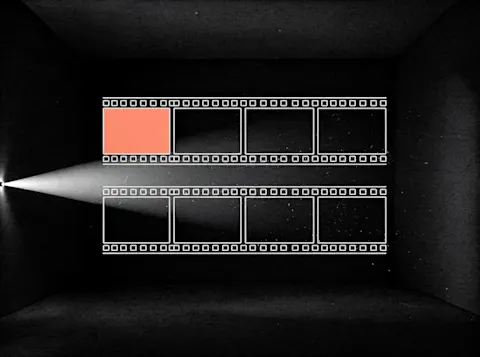
The default Monday looks like this. You sit down, open the week, and start hunting. One idea for Instagram. One for LinkedIn. One for the newsletter, one for shorts, one for a carousel, one for the podcast. Ken calls it the six little monsters, six platforms demanding fresh work each week, and by 10am you've run out of things to say.
The instinct is to solve it with more input capacity. Hire another strategist, book more ideation sessions, subscribe to a newsletter of trending topics. All of that gets you more ideas, none of it fixes the actual bug, which is that you're asking the wrong question at the top of the week.
The right question at the top of the week is "what do I want people who follow me to remember from me by Friday." One sentence. A belief, a specific lesson, the thing your last client conversation surprised you with, whatever it is, written in the language you'd actually say it in out loud.
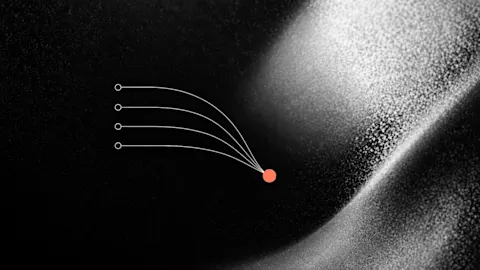
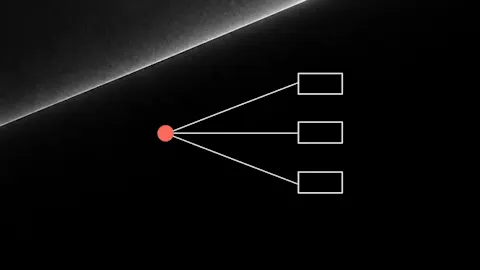
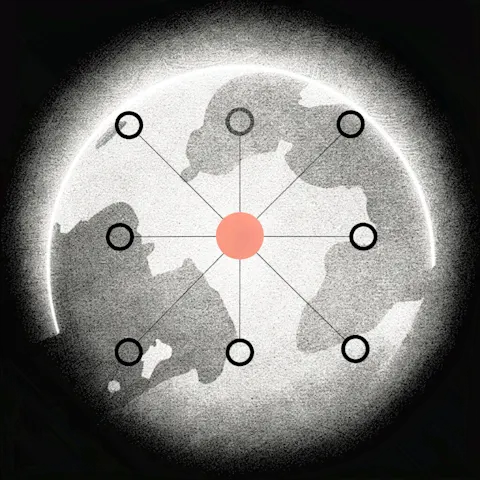
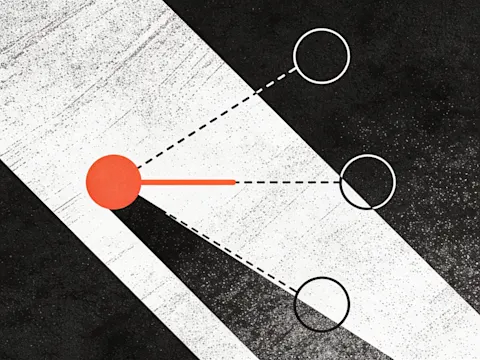
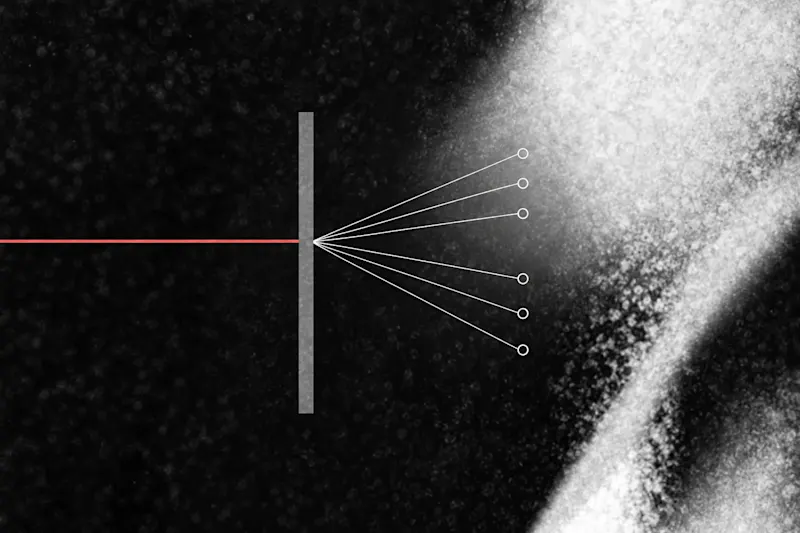
That sentence is the source. Every format for the week is a translation of it.
Repetition across surfaces is what builds memory
The reason this compounds is the same reason distributed cache invalidation is hard. The person who follows you on Instagram, LinkedIn, and your newsletter is one person, not three, and their memory of you is a single record with a very short TTL. If they see three unrelated takes from you across three surfaces in the same week, that record gets overwritten three times and none of it sticks. If they see the same message rendered natively for each surface, the record gets reinforced three times and starts to hold.
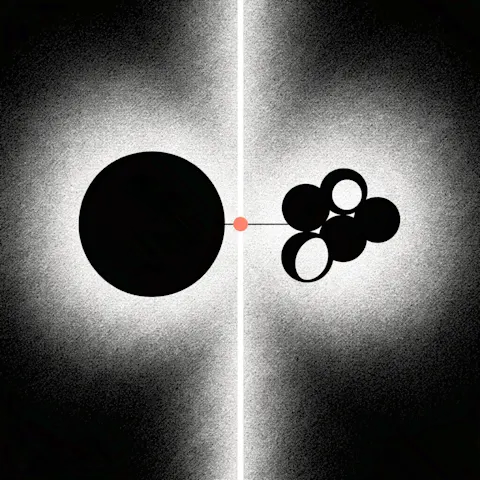
Say the sentence is "your first content hire should be a content director, not an editor." That's the whole week. The reel tells the client story that taught you why. The carousel is the framework for spotting the wrong hire. The LinkedIn post is the belief with the receipt attached. The newsletter breaks the reasoning down properly. The short is a fifteen-second version of the strongest line. The podcast clip is the conversation that made you believe it in the first place.
Same message, six surfaces, all native. "I saw you post" turns into "I remember what you stand for," and that transition is what all the shipping is actually trying to produce.
One recording feeds the whole week
The bit that makes this operationally tractable is the recording. You don't sit down and write six pieces of content from the message. You talk through the message once, rough and unedited, straight into your phone or into a project brief for the week. Twenty minutes, no polish, no cuts.
That recording is now the input for every format. The editor pulls the reel from it. The carousel writer pulls the framework from it. The newsletter is essentially a transcript with the tangents removed. The LinkedIn post is one paragraph lifted out. The short is the strongest line, cut and captioned.
The reason this works is that the message stays intact through the translation. When you hand each format to a different person and brief them cold, you get six interpretations of the same idea and half of them will drift by Wednesday. When they all pull from the same recording, the drift is bounded. The idea holds even when the surface changes.
Agents make this shape cheap
The other reason this is worth doing now, and not two years ago, is that agent tooling has caught up with the translation step. Read a transcript, look up the channels the account is connected to, draft a post native to each one, attach the right media file, put the draft in front of a human to approve. That's a well-scoped agent workflow with a real reliability floor now.
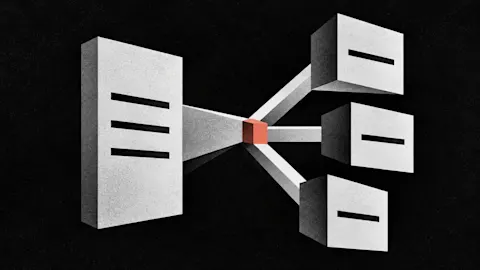
We think about this the way you'd think about a compiler. The message is the source. The formats are the targets. The agent is the compiler, and it does the mechanical translation work that a junior editor would have spent the day on. The human's job moves up a layer, from "produce this week's Instagram post" to "decide this week's message and approve the drafts," which is where the actual thinking lives anyway.
Where the shape breaks
Two things break the shape in practice.
The first is picking a message that's too vague to translate. "Content matters" is too vague. "The founder should be the face of the brand" is specific enough to force an angle. If the sentence doesn't force a specific angle, the reel and the carousel will both drift toward generic and the compounding stops working.
The second is skipping the recording. If you go straight from a one-line message to briefing six separate people, they will interpret the sentence six different ways and you're back to Monday. The recording is what makes the source concrete enough to translate faithfully. Twenty minutes at the top of the week saves a full day of chasing drift on Thursday.
What changes when memory compounds
The output metric worth watching is what your best-fit prospect can say about you unprompted a month from now. If the answer is a specific belief, a specific framework, a specific position, the input at the top of the week was working. If the answer is "yeah I've seen your stuff around," it wasn't.
The Monday scramble puts the effort in the wrong place. Six ideas is a lot of surface area covering not much ground, and one message translated six ways is the same amount of shipping with a lot more that lands.