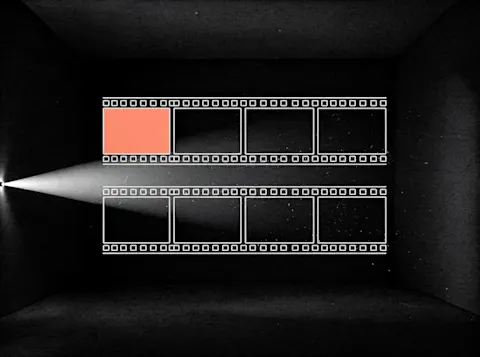
Build updates work because most owners assume nobody wants to watch the actual business, so they try to invent something clever instead. The clever thing never gets shot. The actual business ships product every week and could be filmed in twenty seconds with a phone.
Source: The @jugbottles example is a drinkware brand (instagram.com/jugbottles) that documents production, packing, and marketing decisions as short reels. We surfaced it after a reader kept saying their business was too boring to post about. The framing here (build updates as the answer to "what do I post," and as a way to make care and standards visible) is ours.
"My business is too boring for content" is almost never true
Drinkware. Accounting. Logistics. Dental supplies. Every operator we talk to in one of these categories opens with a version of the same objection: nobody wants to watch this. It's an understandable position if the mental model of "content" is polished product shots and hooks that pop, because that model doesn't fit a business whose actual output is a rejected pallet of lids or a spreadsheet closing on time.
The mental model is wrong. Viewers rarely stop for the polished thing, they stop for the real one, because the unglamorous parts of running a business don't exist anywhere else on the feed and scarcity is what earns attention.
What a build update actually is
A build update is a twenty-second reel that narrates one real thing that happened this week. One operational fact, filmed as it happened, not staged for the camera.
The shipment that came in wrong and how you sorted it. The reason you switched the lid design. The order you packed at 11pm. The supplier you dropped. You talk to camera or over a clip of the actual thing, plainly, with no set and no script. A viewer watching should be able to point at the object or the decision you're describing.
Jug Bottles does this well because their product is close to the caricature of "boring." Metal drinkware, a couple of SKUs. The feed is the guy putting the first jug into production, day one of marketing the gallon variant, selling a car to fund the run. Each post is a step in the actual business, filmed as the step is happening. Nothing is manufactured for the camera.
Build updates make care visible in a way ads can't
"Our bottles are premium" slides straight past a viewer because every brand says it. "We rejected this whole batch because the seal failed a test" stops the scroll, because it's specific, it's costly, and it shows the standard the operator holds themselves to.
That's the second job build updates do. They put the ethics and the decisions behind the product on screen every week, in a form that a competitor can't fake without actually running the same decisions. A viewer who watches five of these builds a durable sense of what kind of operator you are, which is the thing they're actually buying when they eventually buy.
This is closer to how open-source projects earn trust than how brands earn trust. The commit log is visible, the reasoning is written down, the messy parts aren't hidden. The buyer's due diligence is done for them, in public, over months.
They also solve the harder problem: what to post
Most content programs die because the person running them keeps trying to invent something to say. The invention step is where the whole thing stalls. A build update format collapses invention into observation, because the work already happened.
Three things happened in the business this week: a decision, a problem you fixed, something you shipped. Pick the most specific one and film it. Next week, three more. The content calendar is your operations calendar, which you're already living.
Compare this to the alternative, which is a content team sitting in a room asking "what should we post this week" and hunting for a trending format to bend the business into. That process fails a lot more than it succeeds, and it fails silently, weeks at a time, until posting stops.
Making it a running series is where it compounds
The first build update looks like a one-off, the fourth starts to look like a series, the twelfth starts to look like a documentary of the business.
Serialisation is what pulls a viewer back. A single reel about a lid decision is a reel. Twenty reels tracking the same product through production, launch, first orders, first complaints, and the switch to a new manufacturer is a story a person can follow, and stories are what people share. The compounding is in the audience learning your world enough to notice the small changes, which is the point at which they buy.
The tactical version of this is boring: shoot next week's update as an addition to last week's, not as a standalone. Reference the previous decision. Show the same object at a new stage. Treat the account as a rolling changelog for your business, not a highlight reel.
The b-roll problem sneaks up on you
The first month of build updates will be worse than they need to be, because you didn't film the coverage. The lid you rejected is already in a bin somewhere. The 11pm packing session already ended. You end up describing things you can't show.
The fix is a note on the shooter's brief, or on your own mental brief if it's just you with a phone: any time a shot could have improved the story, log what it was. Next week you shoot it, then the story lands harder. A shot of a finger clicking a button on an order form can carry a whole reel if the click is the moment the decision happened.
Coverage habits compound the same way the series does. Three weeks in, you're catching moments you would have missed at the start, and the reels get noticeably better without the format changing at all.
The unfair advantage is that no competitor is running this play
Almost every "boring" category on the internet is uncontested on this format. Nobody in drinkware is showing you the failed seal test. Nobody in accounting is showing you the reason they switched software. Nobody in logistics is showing you the packing decision at 11pm. The category has agreed that this stuff isn't content, so the first operator to point a camera at it owns the position by default.
Operational visibility is the thing your competitors won't do, and a buyer can tell the difference from the first reel.