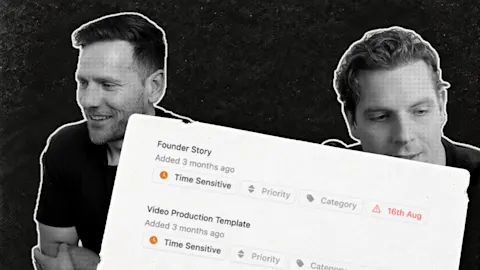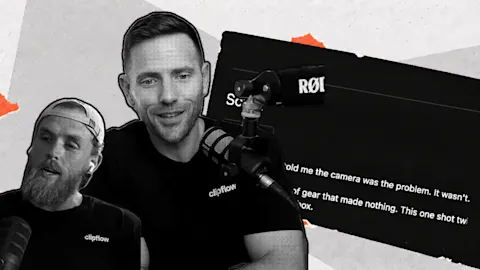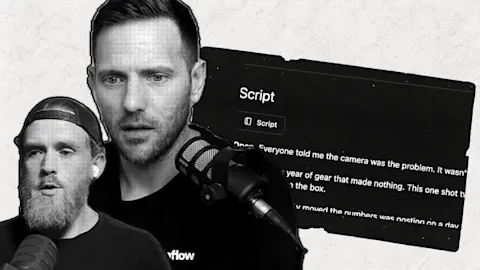
Having Darrell beside me makes a hard business easier to work through. We have different strengths, and we can cover gaps in each other's work.
That matters when you're making decisions and trying to keep moving. You know someone has your back, and you also know they can contribute something you wouldn't bring to the problem yourself.
We worked together long before becoming cofounders of Clipflow. The working relationship came first. We'd already seen each other deal with challenges in the previous business.
I think people can underestimate that part when choosing a cofounder. Being friends tells you something about whether you enjoy spending time together. It doesn't necessarily tell you how you'll work through difficult decisions or handle pressure.
You need to know whether you can have conflict without spending all your energy fighting. The business will bring enough challenges of its own. You don't want every one of them to become another argument between the people responsible for solving it.
I hear from owners who are already stuck in that pattern early on. Those conversations make me appreciate what a useful partnership does for us. It helps us get through the work.
That doesn't mean we need to be good at the same things or agree immediately. The different strengths are part of the value. What matters is whether we can use them together.
Before starting with someone, look at the working relationship you actually have. Can you make decisions, disagree productively and help each other deliver? Those are questions worth answering before the stakes get bigger.