Source: This framework comes from Sam Gaudet's appearance on the Agency Podcast. Sam is the Creative Director for Dan Martell, where he scaled the brand from 3M to 8.8M followers partly by restructuring how content gets distributed across platforms.
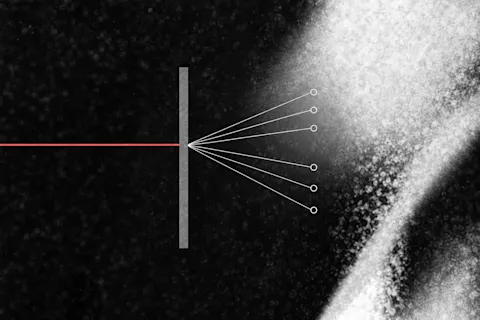
Most teams distribute content like a waterfall: YouTube video goes live, then it gets chopped for Instagram, then Twitter, then LinkedIn, then email. The same content cascades down in sequence, forced onto every platform regardless of fit.
This approach treats distribution as an afterthought and platforms as interchangeable. Neither is true.
The Framework
| Approach | How It Works | Problem |
|---|---|---|
| Waterfall | Content flows top-down through platforms in sequence | Forces content onto platforms where it doesn't fit |
| Lake | All content pools centrally; channel owners pull what works | Each platform gets content that actually belongs there |
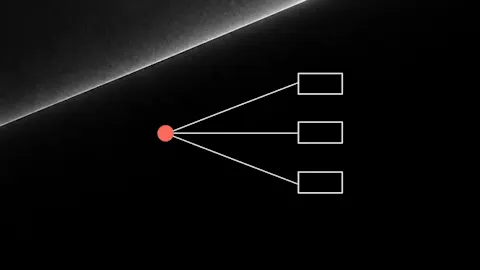
The shift is from pushing to pulling. Instead of forcing content through a pipeline, you create a reservoir and let specialists select what works for their channel.
The Waterfall Problem
Waterfall distribution treats platforms as distribution channels rather than distinct audiences with different expectations.
What happens in practice:
- Team films a 20-minute YouTube video
- Editor chops it into 8 shorts
- All 8 shorts get posted to Instagram, TikTok, Twitter
- The newsletter includes a link to the YouTube video
- LinkedIn gets a text summary of the video
This is efficient from a production standpoint and terrible from a performance standpoint. The shorts that crushed on TikTok might bomb on Instagram. The LinkedIn audience might not care about this topic at all. But everyone gets everything because the system is built for output, not outcomes.
The forcing function problem:
When distribution is top-down, content gets forced onto platforms where it doesn't belong. A talking-head clip might work on YouTube but feel out of place on Instagram where the audience expects different pacing. Rather than selecting the right content for each platform, teams post everything everywhere and hope something sticks.
The Lake Method
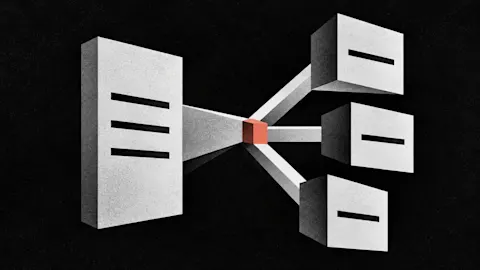
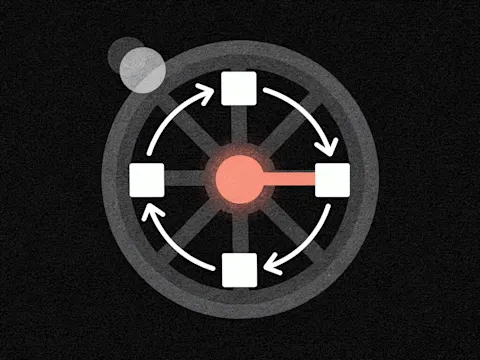
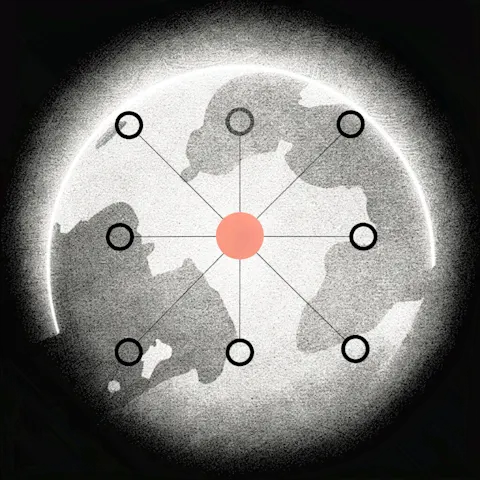
The Lake Method inverts the flow. Instead of pushing content down through platforms, you pool content centrally and let channel owners pull what works for them.
How it works:
- All raw content goes into a shared repository (the "lake")
- Each platform has a designated owner who specializes in that channel
- Channel owners browse the lake and select content that fits their platform
- They adapt their approach for their specific audience
- Not all content gets used, and that's intentional
The channel owner role:
A channel owner is someone who deeply understands one platform. They know what performs on Instagram specifically, not "social media" generally. They've developed intuition for what their audience responds to.
Sam's philosophy: "I don't want all our content to be used. I want all our content to be available and I want the experts, the channel owners, to only pull the stuff that they know works."
This means some content stays in the lake. That's not waste, it's curation.
Implementing the Lake
Step 1: Create the repository
Use a tagging system that makes content findable. Sam's team uses "Content Log" numbers (CL 185, CL 188) to identify shoots and events. Every piece of raw content gets tagged with its source.
The repository could be:
- A shared drive with consistent folder structure
- A project management tool with content cards
- A dedicated asset management system
- Even a well-organized Notion database
What matters is that channel owners can browse and search effectively.
Step 2: Designate channel owners
Each platform needs someone responsible for its performance. This person:
- Decides what gets posted
- Adapts content for platform norms
- Owns the metrics for that channel
- Develops platform-specific expertise
One person can own multiple platforms, but the ownership should be explicit. "Instagram is yours, you decide what goes there."
Step 3: Establish selection criteria
Channel owners need freedom to say no. Their job is to post what works, not everything. Give them permission to leave content in the lake if it doesn't fit their platform.
Step 4: Measure by channel
Each platform gets measured independently. If Instagram grows while Twitter stalls, that's useful signal. The Instagram owner might be selecting better content, or the Twitter owner might need to change approach. Platform-specific measurement sharpens platform-specific decisions.
When This Framework Works
- Teams with enough content volume to have selection (10+ pieces per week in the lake)
- Organizations with specialists who know specific platforms deeply
- Multi-platform strategies where different channels serve different purposes
- Content operations that have been forcing everything everywhere
When It Doesn't
- Solo creators managing everything themselves (no specialists to select)
- Teams producing so little content that everything needs to be used
- Single-platform strategies where there's only one channel to manage
- Very early stage where you're still learning what works anywhere
Quick Reference
| Waterfall | Lake |
|---|---|
| Content flows top-down | Content pools centrally |
| Same content everywhere | Best-fit content per platform |
| Distribution as afterthought | Distribution as curation |
| Generalists post to all platforms | Specialists own their channels |
| 100% utilization goal | Quality over quantity goal |
The shift: "How do we get this content onto every platform?" becomes "Which content actually belongs on this platform?"