The trust loop is what turns a piece of free content into a person who believes you can help. It's a slow number by attention standards and it's the one that shows up in a paid conversion three weeks later, so it's worth understanding as a formula rather than an instinct.
Source: The four-beat loop is from Sean Kitching's 2026-08-05 video, "The radically simple Personal Brand formula that cuts the noise." The bookkeeping walkthrough and the "content shape decides the next post" layer are ours.
Attention buys the click, trust converts it
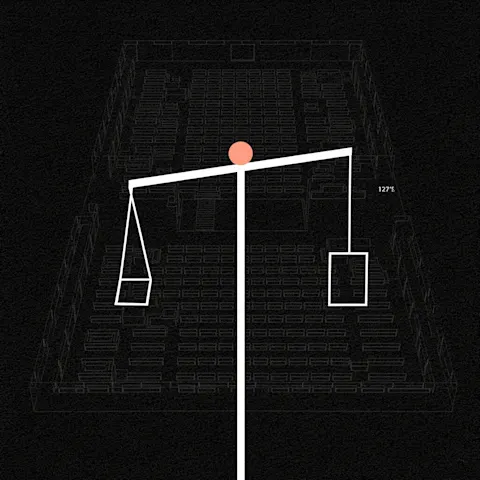
Views measure how many people the platform sent your way. They don't measure whether any of those people walked away with a reason to come back, and the difference between those two numbers is where most content operations lose the plot.
A viral hit spikes for a day. You check the account a week later and the follower count is flat, the DMs are empty, and the sales pipeline hasn't moved. The post pulled numbers, and the numbers didn't compound into anything. It's a similar problem to shipping a feature that logs a lot of clicks and no signups: the top of the funnel worked, everything downstream stayed the same.
The reason is that the audience is running a check on every video whether you name it or not. If your free content actually solves a small problem for them, they'll assume the paid version solves a bigger one, and if your free content is a hook and 30 seconds of vague generalisations, they'll assume the paid version is the same shape. Attention got them onto the page but trust is what decides whether they keep reading.
Sean Kitching's four-beat loop
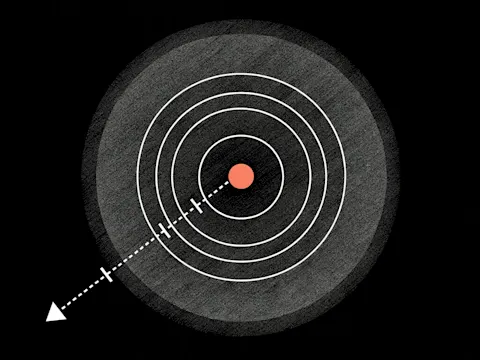
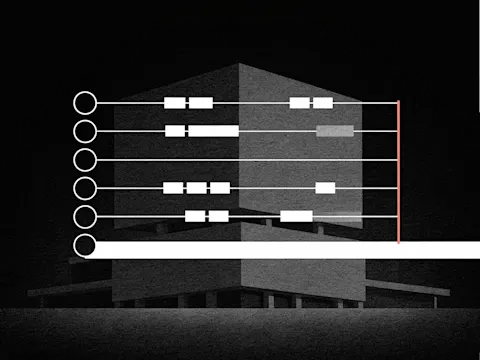
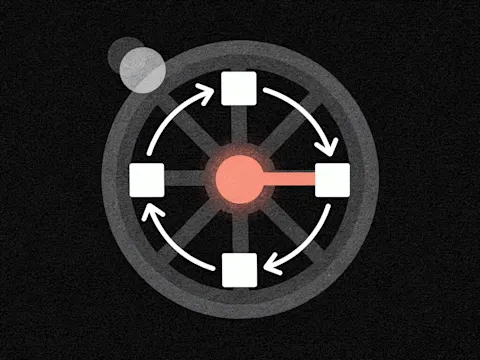
Sean Kitching runs Fulltime Creator OS and posted a formula that lands as a real mechanism rather than a slogan. Set a clear expectation of a problem the viewer has, walk them through a radically clear step-by-step solution, meet or exceed the expectation of what they were going to get, then repeat.
The word doing the heavy lifting is "radically." Most solution-style posts brush past the actual steps because the creator assumes those steps are obvious. They aren't obvious to someone hearing the problem for the first time, and the moment the viewer has to fill in a gap, the payoff dies.
The loop is portable. It works for a 45-second reel, a carousel, a LinkedIn post, a YouTube short. What changes is the size of the problem you can plausibly solve inside the format.
What a trust-loop post looks like for a bookkeeper
Say you run a bookkeeping business and you sit down this week to record one reel on your phone. Two versions of the same 60 seconds.
Version one is a hook like "the shocking truth about tax deductions" and 30 seconds of vague generalisations. It will probably rack up impressions because the hook is broad enough to catch a scroll. It won't rack up DMs because there's nothing in the video for the viewer to do.
Version two, using the loop: "here's how to check if your last invoice is missing a line item that costs you $200 at tax time," then 60 seconds walking through the exact three fields in the exact tool the viewer already has open. The viewer follows along, finds the missing line, and now has a $200 result that traces directly back to you. Their next thought is usually what you charge for a full review.
That second post won't be the top of your analytics next week. It will be the one that shows up in the DMs, and eventually on a Stripe receipt.
Content shape decides which DMs arrive
The second-order effect is what makes the loop worth building a system around rather than treating as a one-off.
Broad hook-and-punchline posts pull broad reactions: laughs, tags, saves for later. Trust-loop posts pull specific responses: someone tried it and it worked, someone wants the next step, someone runs a business that looks like the one in the example and wants to hire you. The comment section on a loop post ends up reading closer to a partially filled-out lead form than to a group chat.
Which means the shape of this week's post decides the shape of next week's DMs. If your paid channel is dry, the fix is usually earlier in the chain than "run more ads" and later in the chain than "post more." Most of the time it's "post a smaller problem, solved more clearly, more often."
How to run this on your account this week
- Pick one small problem a customer will actually face this month. Not the biggest one you solve, the smallest specific one you can walk through in 60 seconds on camera.
- Record the problem in one sentence, the solution as a walkthrough anyone could follow, and the result the viewer should now have. Post it.
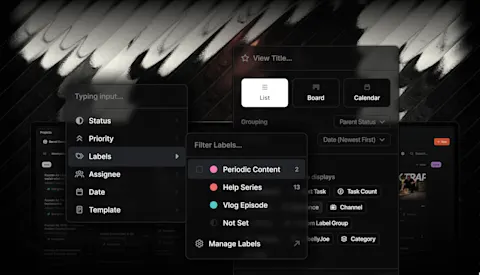
- Label the post
trust-loopin Clipflow's Post Scheduler and save that filter as a Custom View. Next week, repeat with another small problem and let the view stack up so you can see the sequence.
The last bullet is doing more work than it looks like. Trust builds on the repeat, not on the single post, and the reason most operators never see it work is that they can't remember which posts were part of the pattern by the time the third one ships. A saved view is the cheapest version of a system that keeps you honest about whether you actually ran the loop or just posted three unrelated videos.
The number that shows up eight weeks later
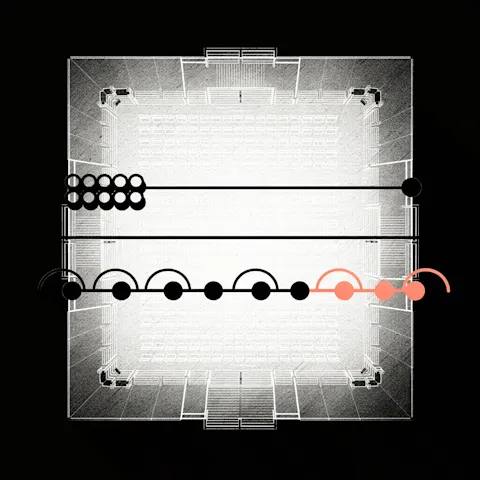
The reason trust-loop content is underused is that the payoff runs on a slower clock than the metric most content dashboards optimise for. Impressions land on the day of posting, trust lands in a DM three weeks later or a sales call two months later, and if you're only reading the front page of your analytics you'll never notice which post did it.
The teams that figure this out early usually notice it the same way they notice a slow-burn product habit forming: they stop reading last week's numbers and start reading the last quarter's, and the posts that keep showing up in the "how did you hear about us" answers turn out to be the small, specific ones.