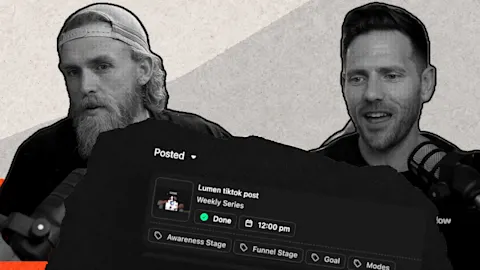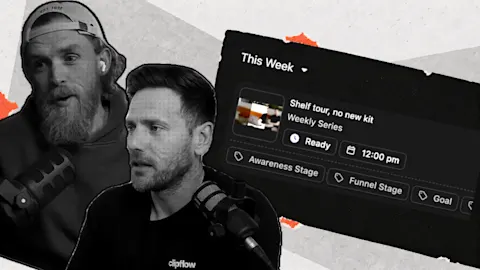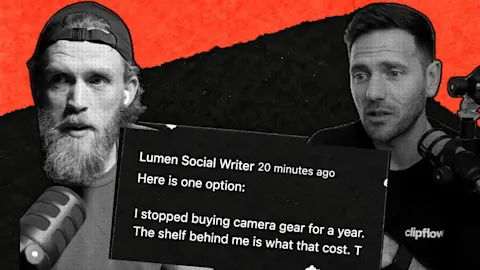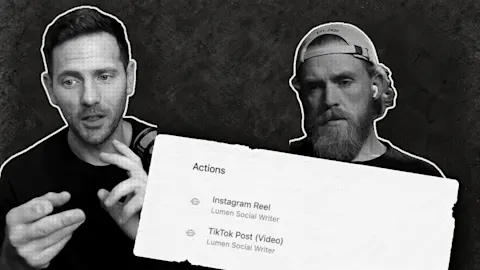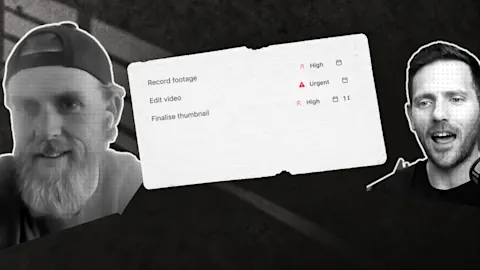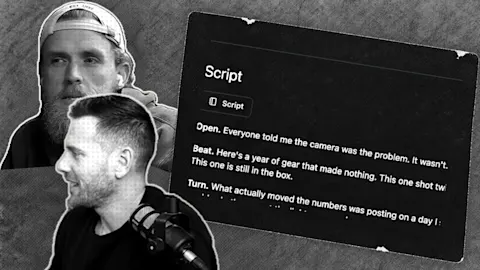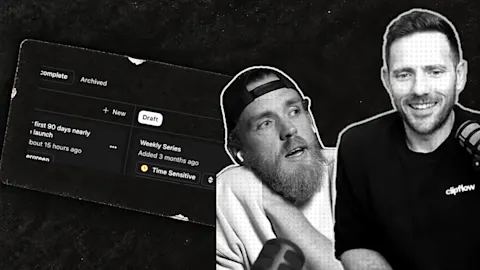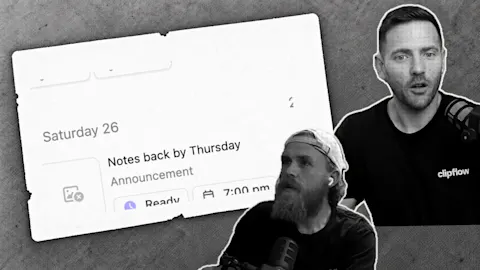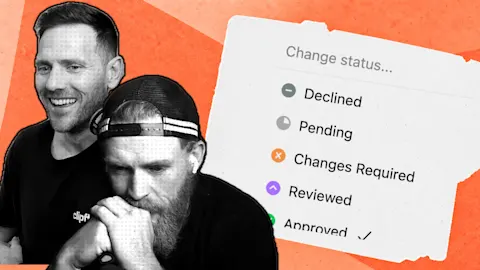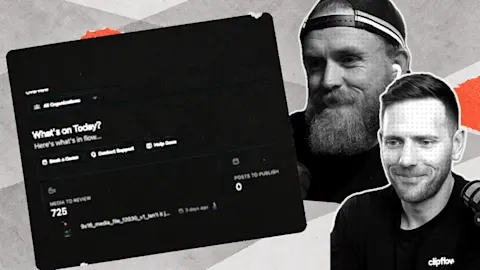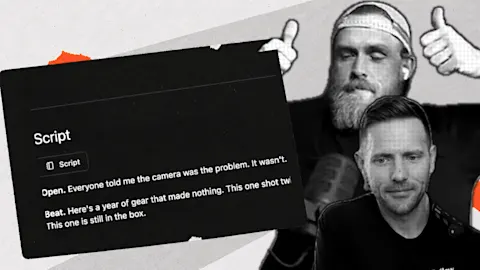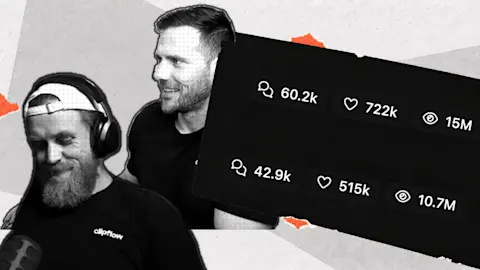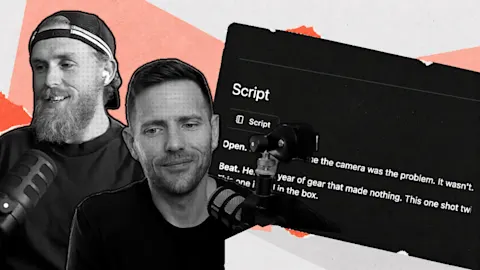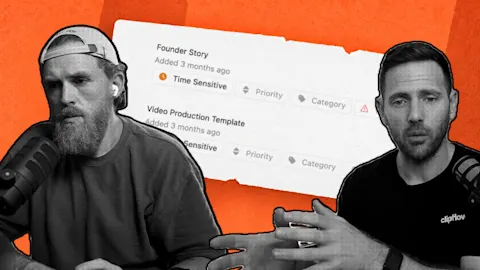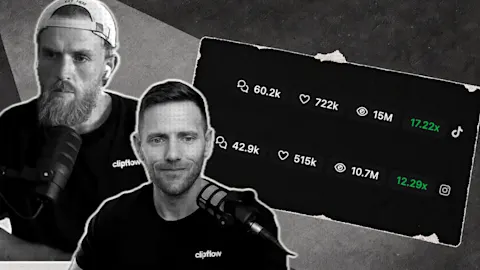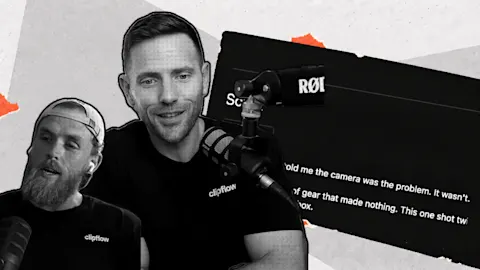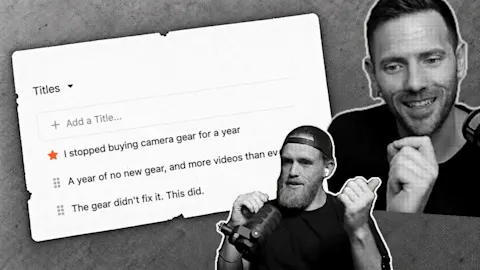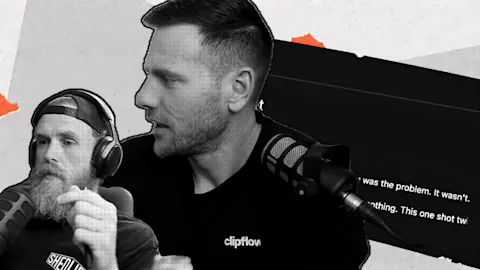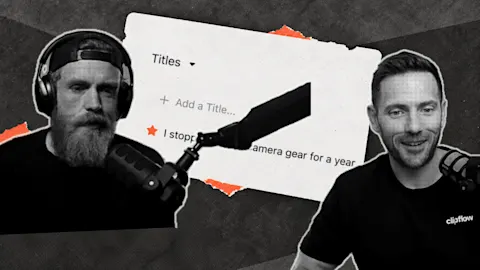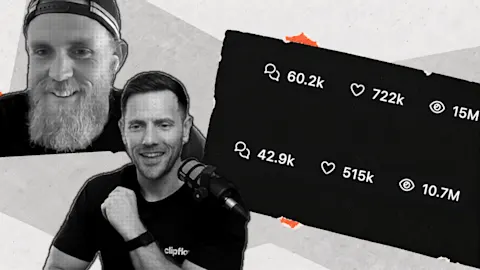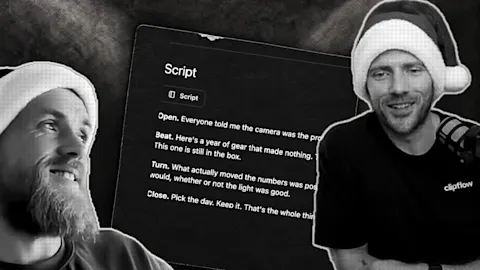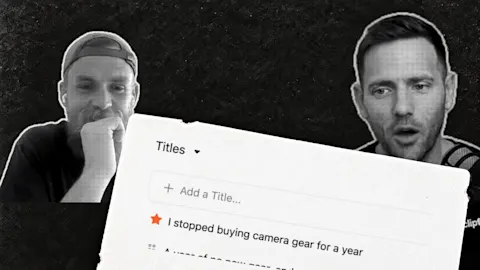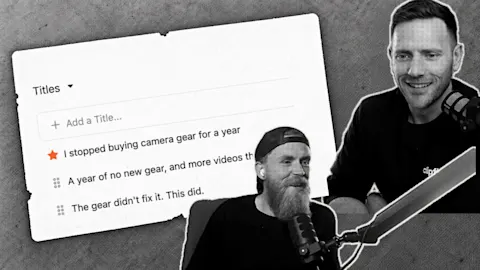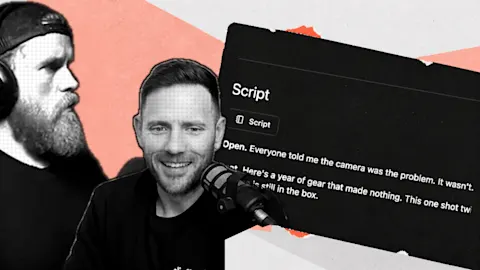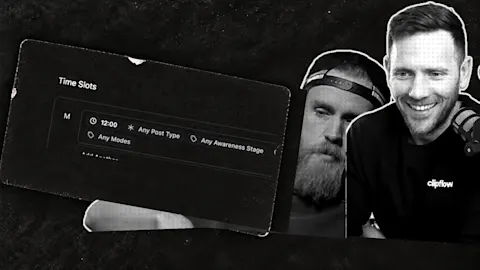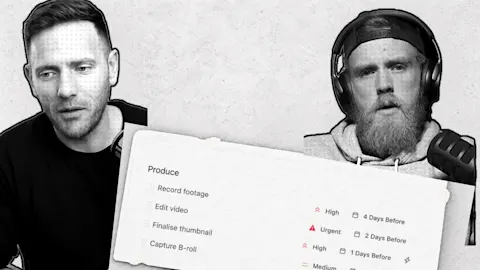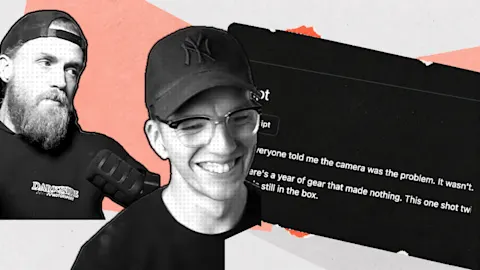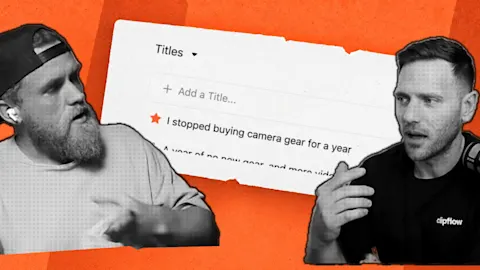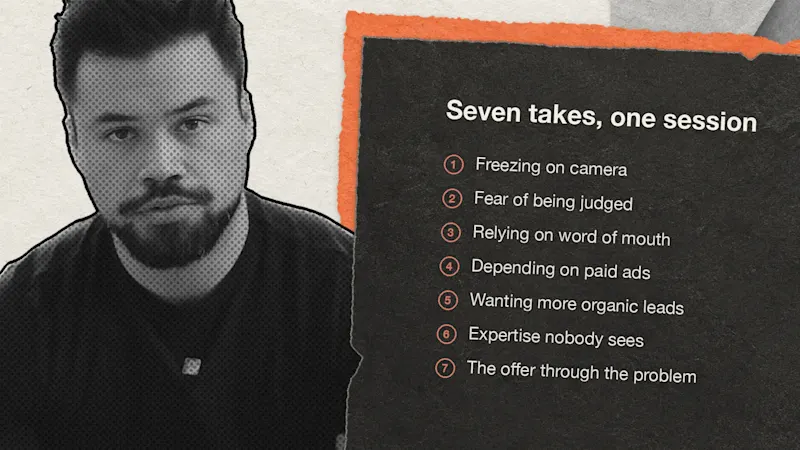
Book a room for two hours, bring seven customer problems, and film each one as its own short ad with two attempts. That's the exercise at the centre of Brandon Willington's course, where Brandon coaches Sev, who sells an online workshop, through seven takes on camera.
Source: This comes from Brandon Willington's 12-hour Facebook ads course, and the live filming section starts at 6:23:05. The takes are teaching demonstrations, so none of the seven is a proven winning ad. We've left out the course's revenue and results claims because the tracking was incomplete. The worked numbers and the session plan are ours.
Choose one offer and one destination first
Decide what the ad sells and exactly where a click lands before anyone writes a line. Brandon's point is that a good ad can still produce poor sales if the promise brings the wrong visitors, or if the page asks for the wrong commitment.
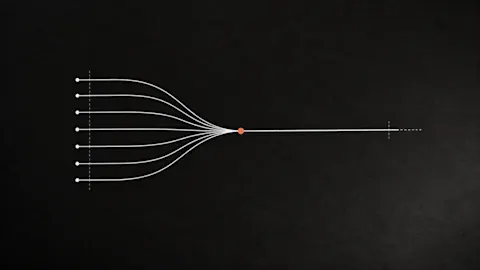
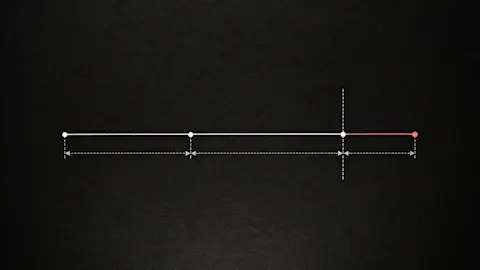
Draw the whole path on one page, because a low cost per click can sit on top of expensive customers. For a business that sells through calls, the path runs from click to lead, lead to booking, booking to attended call, and attended call to sale.
Brandon's planning sum estimates acquisition cost from those steps:
Cost to acquire a customer ≈ cost per click / (visitor-to-lead rate × lead-to-booking rate × show rate × close rate)
Treat this as a planning sum. With our made-up numbers, a $2 click, 20% of visitors becoming leads, 50% of leads booking, 60% showing up and 30% buying gives $2 / 0.018, or about $111 per customer. If you sell software with a self-serve signup, swap in your own stages.
Collect seven customer problems
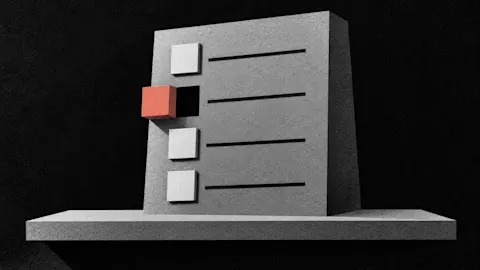
Use real sentences from sales calls, support messages and interviews. For each one, write down the situation, what happens if nothing changes, what they've tried, what progress they want, and the evidence you have that you can help.
The seven takes in the course cover these problems:
- Freezing on camera.
- Fear of being judged.
- Relying on word of mouth.
- Depending on paid ads.
- Wanting more organic leads.
- Having expertise nobody sees.
- Explaining the offer through the customer's problem.
Your list will be different. An accountant might have late lodgements, messy receipts, a surprise tax bill, a bookkeeper who left, a business that's outgrown its spreadsheet, a tax question nobody will answer, and a final ad that explains how the service works.
Sort them by how well you can support them. Brandon's own material includes confidence ads that only make sense if your offer helps with confidence, so drop any problem your offer doesn't honestly touch.
Give each ad one idea
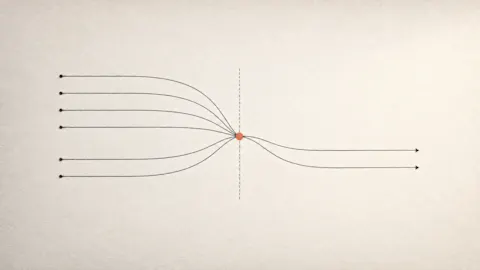
The course's filter is the rule of one: one idea, one story, one promise, one emotion and one call to action. A weak ad changes its opening line and then drifts into a general pitch. A stronger ad keeps the same customer situation from the first sentence to the last.
Name the reason each ad exists before you film it, and write it on a card. An ad about fear of being judged should explain that fear and how you help with it. Referrals belong in a separate ad.
Write a hook that does three jobs
Brandon gives the hook three jobs: create interest, imply what the offer is, and put off people it isn't for. The last job feels wrong until you think about the bill, because every wrong person who clicks costs you money.
Check the first sentence and the first frame together. A viewer should be able to tell who this is for, what kind of help is on offer and what happens after they click.
The first frame should be evidence where possible: a real workplace, customer, team or familiar location. Proof has to match the claim, so a busy office proves you have an office and says nothing about whether you can get someone leads. Mark any gaps before filming day and go and find the footage, or change the claim.
Film each take in three sections
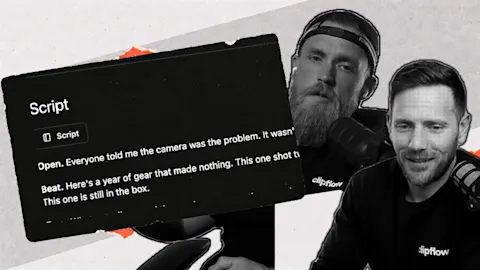
Don't script the ad line by line. The course's camera method has three moves: open on the point, elaborate on it, then give the next action.
Run the session like this:
- Stand the speaker somewhere real, beside a whiteboard or some actual work.
- Put one interviewer off camera to ask the prompt, such as "When does the owner freeze?"
- Keep recording through every pause, since you can cut the prompts and gaps later.
- Record one full attempt.
- Give one correction.
- Record the second attempt.
- Film the call to action as a separate clip, so a changed destination doesn't mean refilming the ad. This one is our addition.
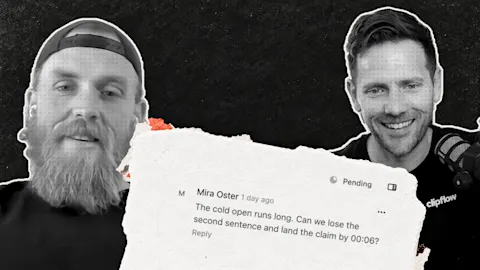
The one correction does most of the work. In the course, Brandon stops the fear-of-judgment take because the commercial outcome arrives too late, and the second version mentions leads earlier. Brandon also stops a final offer explanation when it drifts into authority and asks for the business outcome instead.
Those are the two corrections we'd watch for first: bring the customer's result forward, and stop as soon as the take turns into a case for the speaker's authority.
Review before you spend
Back at your desk, check each ad in this order: first sentence, first frame, promise, proof, next action. If the proof doesn't support the promise, cut the ad or fix the claim.
Then agree how you'll measure the test before any money goes out. Write down the event you're counting, what you can afford to test, how long you'll watch it and what would make you stop.
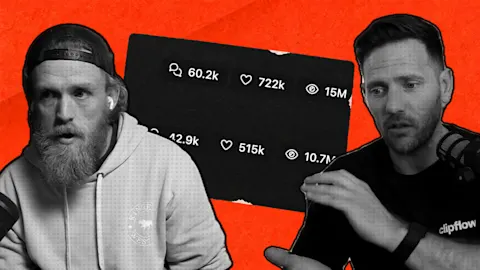
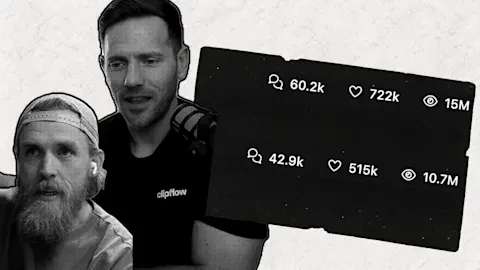
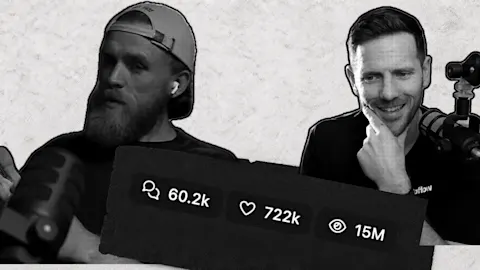
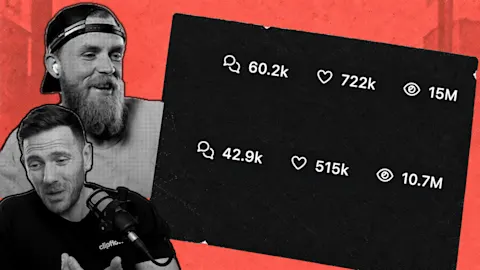
Leave the test alone once it's live. Brandon's advice is to keep collecting data before adding more ads, because the first week is weak evidence for ranking seven creatives. The first-week results shown in the course are a good reminder, since the team says tracking wasn't fully set up when they started.
Try it this month
- Choose one offer and one destination.
- Pull seven real customer sentences from your calls and support inbox.
- Attach one piece of proof to each, or drop the problem.
- Write seven cards, each with one idea, an opening point, and one next action.
- Book two hours with someone who can ask questions off camera, and film two attempts per card.
- Write your measurement plan before you upload anything to Ads Manager.