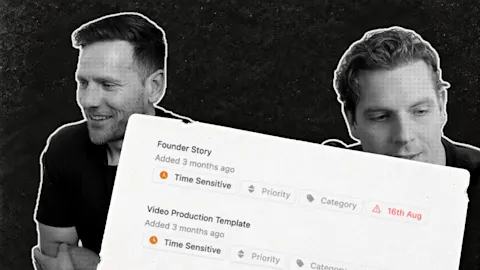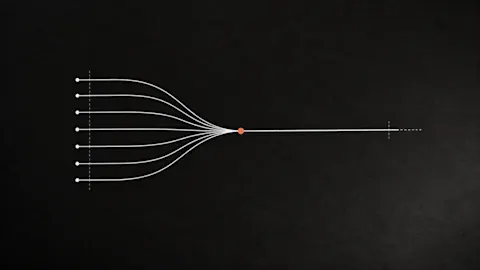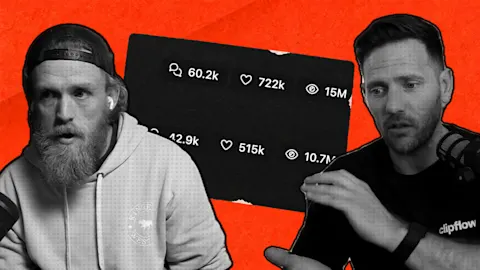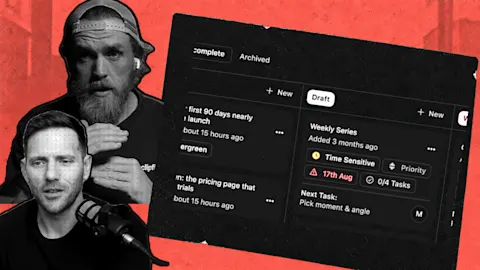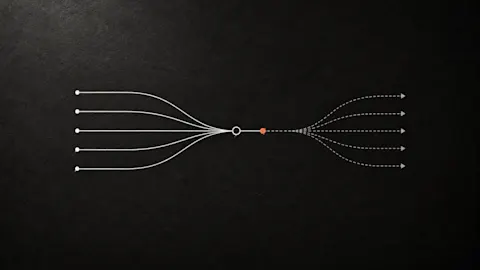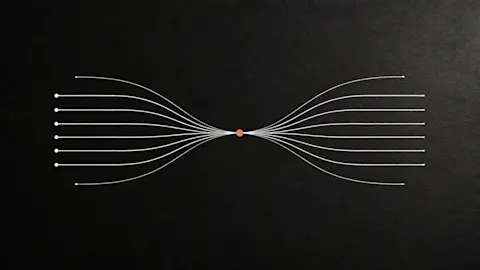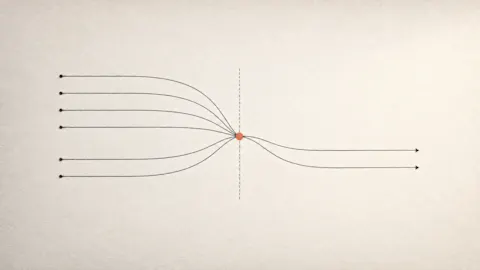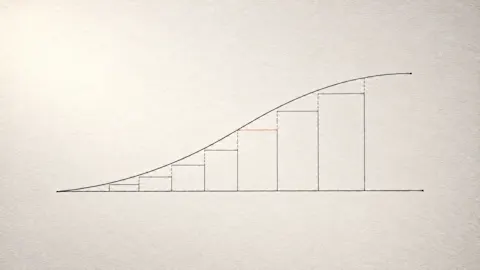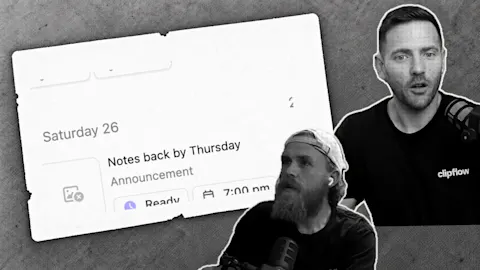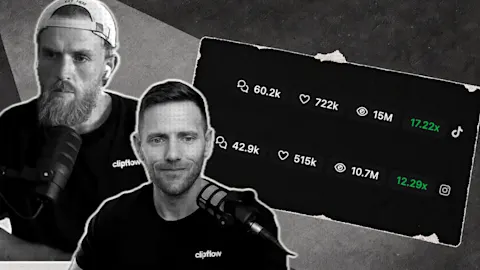
Film one idea five different ways, post every take as a trial reel, and only turn it into a series if more than one take holds up. The testing comes from a method Nate Gaffney credits for growing an Instagram account past 800,000 followers, and the rule about more than one take is ours.
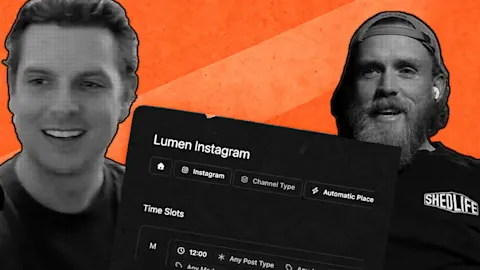
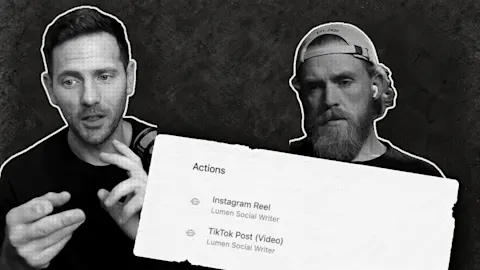
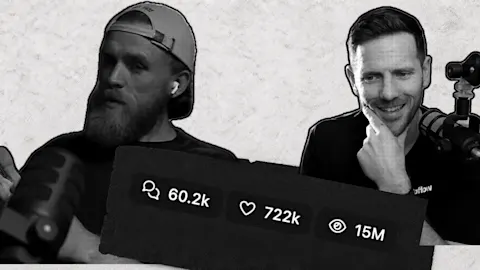
Source: The method comes from Nate Gaffney's video "How I Gained 800K Instagram Followers in 78 Days (What I'd Do Starting Over)", published in October 2026. Every growth number here is Nate's own and unverified. The way of reading results and the episode shape are our additions, and we haven't run this process ourselves yet.
The method in four steps
- Test one idea with five takes as trial reels.
- Read the takes together to see whether the idea, the hook or neither is working.
- Package the idea that holds up as episode one of a named series.
- Prepare somewhere for new followers to go before episode one is posted.
Test: film one idea five ways
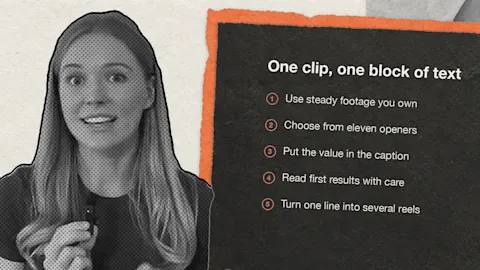
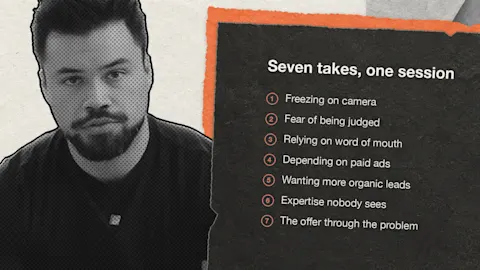
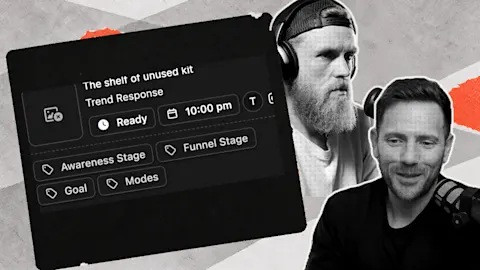
Pick one location and one idea, and leave the camera where it is. Nate's standard is five takes of the idea, each a little different, though three takes is fine if that's what you have time for. Each take gets 3 to 10 minutes, and never 20.
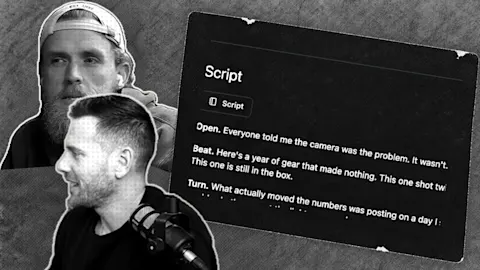
Write the hook out word for word, because a word or two can decide whether it works. Talk through the body from bullet points so that every take comes out differently. An on-screen text version counts as a take too, which means one or two of your five can be made from b-roll you already have.
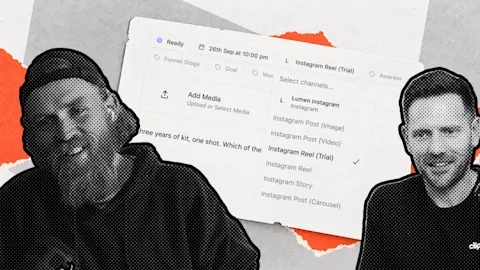
Then post every take as a trial reel. Trial reels go to people who don't follow you, so the result says something about the content instead of your existing audience.
Nate believes Instagram holds back trial reels that share one body with only the hook swapped. That's a belief and we can't confirm it, but varying the body costs you nothing.
Skip the volume. Nate posted 10 to 15 trial reels a day, which is a full-time creator's schedule. One filming session per idea is a realistic version for someone running a business.
Example: a personal trainer might choose the idea that most clients overtrain in their first month. They'd write five hooks, keep three bullet points for the body, film three takes in the gym, and make two text versions over existing clips.
What makes a take work
Three things separated Nate's strongest videos:
- Name the person in the hook. The label "intellectual omnivore" made viewers wonder whether it described them, and Nate names it as one of the things that made the video work.
- Give your take. An opinion on that type of person turned the video into a conversation, and people shared it saying "I see my partner in this."
- Talk as you would on FaceTime. "Have you ever noticed..." opens a conversation, and a list of tips doesn't.
For a business owner, the person named is usually your customer at a recognisable moment. "There's a type of business owner who's been starting content next month for two years" does more than "Five tips for staying consistent."
Read: judge the takes as a group
A single reel tells you very little, so look at all the takes of an idea together. Set your baseline as the median views of your recent reels, then apply these rules. They're our starting point, so tighten them once you have your own trial reel numbers.
| What you see | What it means | What to do |
|---|---|---|
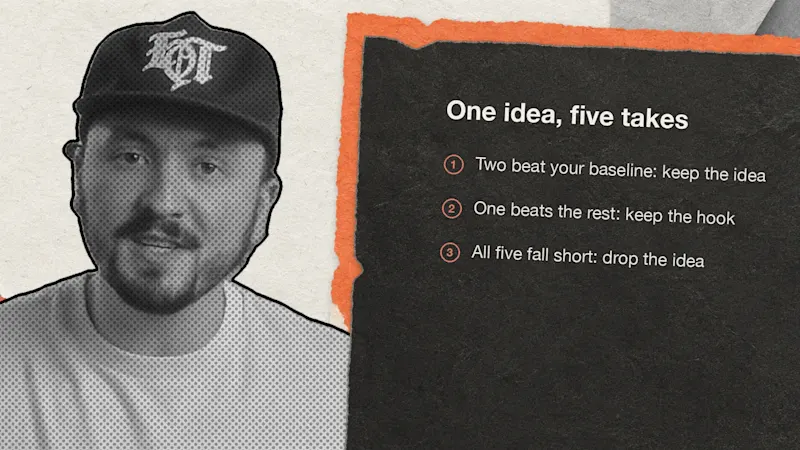
| At least two of five takes beat your baseline, and the best one earns more sends, saves or comments than usual | The idea holds | Move it into a series |
| One take clearly beats the rest | The hook is doing the work | Keep that hook and test new bodies under it |
| All five sit under your baseline | The idea is weak | Drop it and test the next one |
Read sends and saves before views. A lucky hook can bring views on its own, and Nate says results show up in sends, saves and comments.
Dropping an idea counts as a win. You've spent one session finding out, where a bigger production would have spent weeks.
Package: relaunch the winner as episode one
Nate's first big video had the first two ingredients and no container. Relaunching it changed what it did for the account. These are the numbers Nate reports for the same concept:
| Version | Views | Followers gained |
|---|---|---|
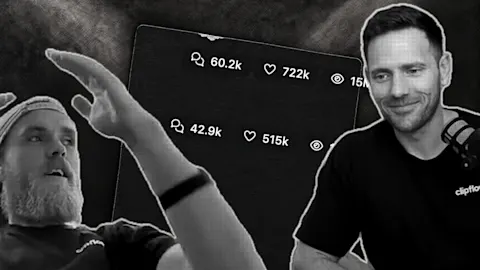
| Standalone video | 3.5 million | 13,000 |
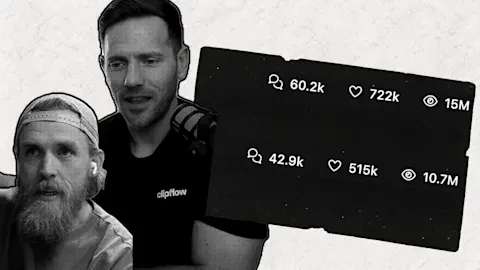
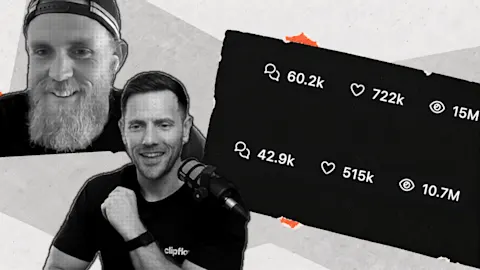
| Episode 1 of Interesting People for Curious Humans | 2.4 million | 57,000 |
That's one comparison from one creator, and we can't check it. The mechanism makes sense to us, though: a series name gives a viewer a reason to follow, because it promises more of the thing they liked.
Name your series after the promise. Then remake the winning take with the series name on screen. The per-episode formula sits behind Nate's paid playbook, so the shape below is our reconstruction from the video:
- Series name and episode number on screen in the first second.
- A hook that names the person or situation in one line.
- Two or three details the viewer recognises.
- Your take on why it happens or what you'd tell them.
- A closing prompt that invites a send or a comment.
Run each new episode through two or three trial takes before the main post, and film the next four episodes before episode one goes out. A new follower should find more of the series quickly.
Prepare: decide where new followers go
When Nate's first viral video took off, there was nowhere to send the traffic. Before your series runs, set up a landing page, a free thing related to the series and an email capture. Use a tracked link in your bio so you can see what the series sends you.
Keep the offer related to the series. If episode one is about business owners who keep putting off content, a one-page posting plan fits, and a generic newsletter signup doesn't.
When this works, and when it doesn't
This suits people who can talk through an idea on camera, have opinions worth hearing, and can film a few times a month. It works best with a clear type of viewer to name.
It suits you less if trial reels aren't available on your account. You can post takes as normal reels a day or two apart, but your followers will skew the result. It's also a poor fit for news or anything that needs a tight script, because the method depends on loose bodies.
Don't treat "800K in 78 days" as a forecast. Take the testing habit from this and leave the growth numbers behind.
Quick reference
| Step | Action | Output |
|---|---|---|
| Test | One spot, one idea, five takes, hook scripted, body loose | Five trial reels |
| Read | Compare all takes to your median | Keep, rework the hook, or drop |
| Package | Name the promise and remake the winner as episode one | A series with an episode shape |
| Prepare | Landing page, related free thing, email capture, tracked link | Somewhere for followers to go |
Your first session needs one idea, five hooks and three bullet points. Book an hour this week and film it.