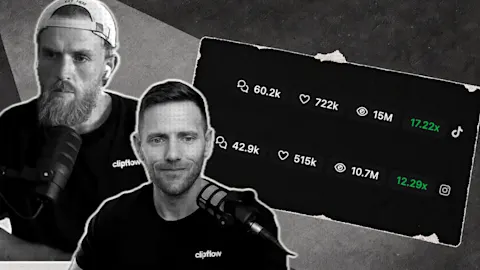
A smaller company can copy the way Wispr Flow manages its creators, but it should think hard before copying the way Wispr Flow pays them. At the reported guarantee, 50 creators cost at least US$50,000 a month before a dollar goes into ads.
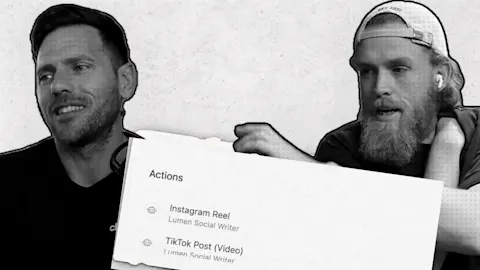
Source: The Wispr Flow details come from Hector's video, as written up in Ira Bodnar's thread. The format testing comes from Vadim Strizheus's video. Every number from either person is their own claim with no second source, and Ira sells an ads tool while Vadim sells calls. The arithmetic and the small-budget version are ours, and we haven't run this program ourselves.
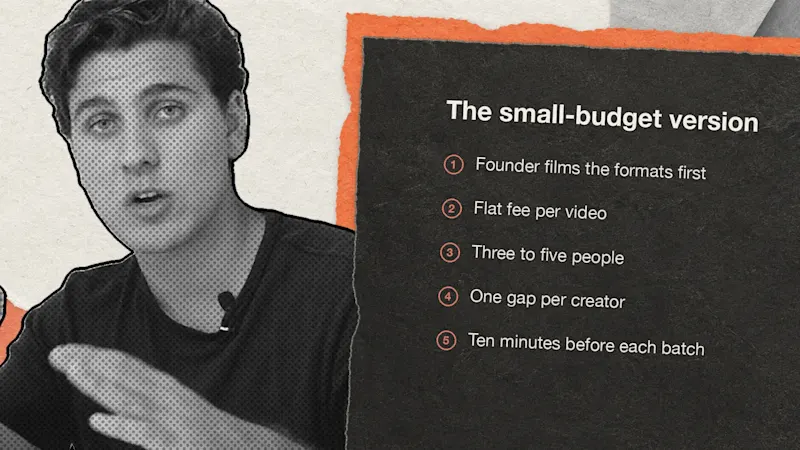
The five parts to borrow
| Part | Wispr Flow's version | The small-budget version |
|---|---|---|
| Learn first | Not covered | The founder films until formats are known |
| Pay | 7% of ad spend with a US$1,000 monthly floor | A flat fee per video or a monthly retainer |
| Recruit | 100 to 200 DMs a week, 50 accepted from 5,000+ | Three to five people found by hand |
| Assign | One gap per creator | The same rule, applied to fewer gaps |
| Review | A Thursday walkthrough of the ad account | A ten-minute walkthrough before each batch |
Film it yourself first
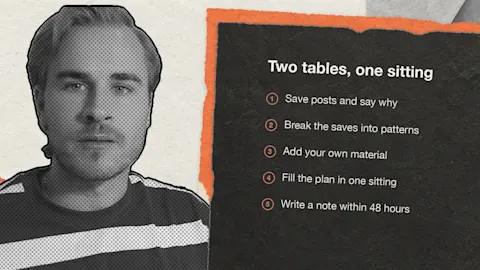
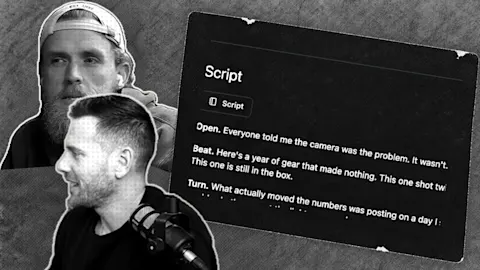
Vadim's advice is to hire nobody until you can put about $5,000 to $10,000 into creators and you already know what converts in your niche. Until then, the founder posts. Vadim posted three to six times a day on a new Instagram account, using the structure of winning accounts in the same niche with a different product demo.
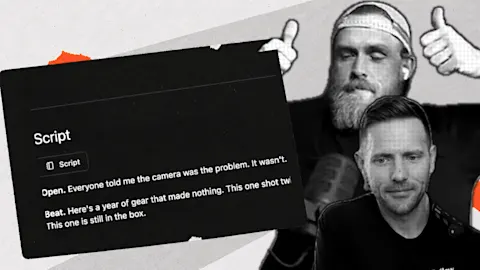
This phase exists because a creator can only be briefed on what you've already learned. Bank five to seven formats in a shared document, each with its script, hook, audio, overlays and the length of the demo and call to action.
Be careful with volume. Meta banned Vadim's founder account during this phase, so post at a pace you can defend, and copy structure instead of anyone's claims.
Pay a flat fee until spend is steady
Wispr Flow's deal pays creators 7% of the spend behind their own ads, uncapped, every seven days. Hector's reasoning is that a software sale can take weeks to close, so paying on spend is simpler than paying on sales. New creators get a floor of US$1,000 a month for 20 to 25 videos, and the guarantee stops once commissions pass that amount.
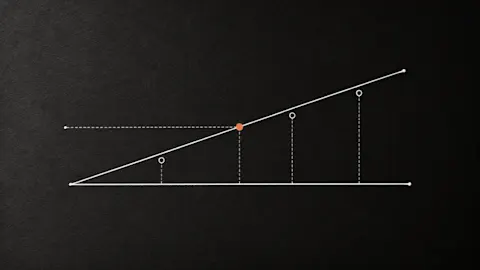
The sums show why this suits a company with a large ad budget. For a creator to clear US$1,000 on commission alone, about US$14,300 a month has to run behind their ads. The reported top earner, at US$12,000 a month, implies about US$171,000 a month behind one person's work.
Below those levels, a flat fee per video is simpler. Vadim's alternative is about $600 to $800 a month for two new videos a day, each posted to three platforms, plus roughly 20% lifetime affiliate commission on customers the creator brings in. That rate reflects consumer app volume work, so expect to pay more per video for a specific trade or a B2B audience.
Check your margin before offering any lifetime commission. Twenty percent of revenue forever comes straight out of what you can spend to win and keep customers, and most software companies should run the numbers first.
One criticism of pay-on-spend deals deserves a place in any creator conversation: a creator has no say in where the spend goes, so the media buyer decides who earns. If you ever move to this model, tell creators how that decision gets made.
Recruit a few people by hand
Hector's team searches Instagram for terms such as "UGC creator", "tech" and "SaaS", then works through the followers and commenters of every good creator. They offer US$100 for referrals of people at the same level or better, and they take no beginners.
You won't need 200 DMs a week. Write down what a good video looks like for your product, search those same terms, and message 20 or 30 people. Ask your best early creator who else they rate.
Give the first few creators a small paid test before any retainer. A batch of three videos tells you more than a portfolio does.
Give each creator one gap
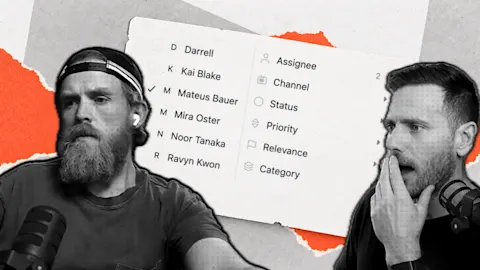
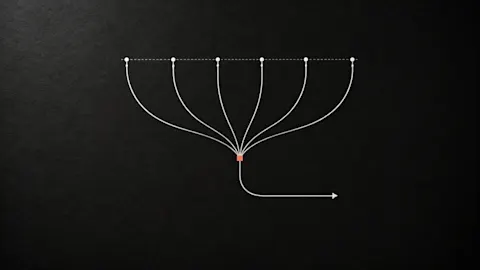
Wispr Flow assigns each creator something nobody else covers: a customer segment no ad speaks to, a format nobody could shoot, or a country with nothing running. This fixes a common failure of creator programs, where everyone films the same ad in a different kitchen.
For a small company, write your gaps down before you hire. An accounting software company might list bookkeepers, tradespeople who do their own books, and owners who've just hired their first employee. Each creator gets one, and that gap goes on the brief.
Near-copies get a firmer no. When a creator remakes a winner, Hector's team pushes them to film something new, because their read is that Meta treats near-copies as one ad. Vadim moves the other way in organic testing, shifting every creator onto a winning format and varying the hook and audio until it dies. We don't see a conflict there: Vadim is using creators' own accounts to learn what spreads, and Hector is filling an ad account where similar ads compete.
Show them the numbers on a schedule
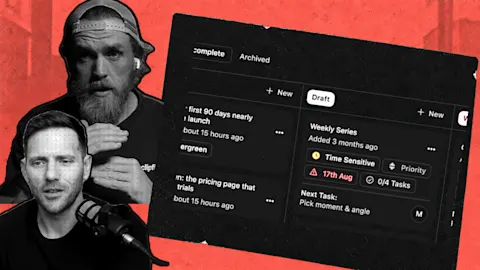
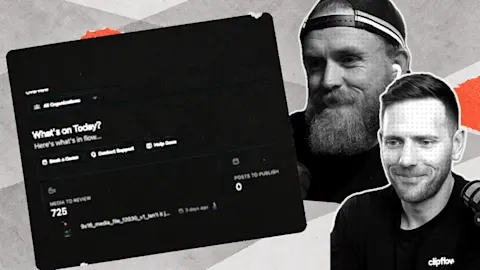
Every Thursday, Hector's media buyer walks creators through what's working, which customers to go after next and what to test. This is the cheapest idea in the whole program. We'd start here even with one creator, because someone who can see the ad account stops guessing what you want.
If you test organic formats, use Vadim's structure. Split five to ten creators into batches, run one format per batch for three days, and treat 10,000 views as a signal to push further. These thresholds come from consumer apps, so set your own against your niche. Vadim says month one cost $6,000 to $8,000 with little return until the final week, so plan the budget on the assumption that you'll burn it.
When this works, and when it doesn't
It works when you already know which formats bring customers and you can run several tests a month. A product that nearly anyone can use makes recruiting and briefing easier, which is part of why Wispr Flow's and Vadim's numbers won't transfer to a niche B2B product.
It doesn't work as a way to find product-market fit. If the founder can't make a format work after a few weeks of trying, paying creators will show you the same result at a higher price.
Quick reference
| Your stage | What to do | What to skip |
|---|---|---|
| No formats proven | The founder films and banks five to seven formats | All hiring |
| Formats known, ad spend modest | Hire two to five creators on a flat fee, one gap each | Commission on spend |
| Steady spend, several creators | Trial spend-based pay with a floor | Lifetime commission unless margins allow it |
If you're at the first stage, open a shared document today and record the format of your last ten posts. Mark the two that brought in a customer or a conversation, and those are the first entries in your brief.