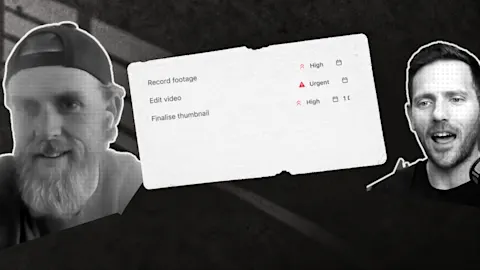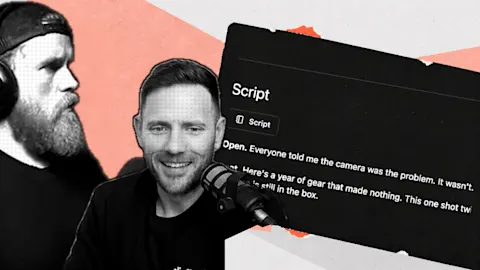
The person who gets your content started can eventually become the person everything is waiting on. They're finding ideas, filming, editing and trying to work out what performed.
That's when I'd look at a dedicated editor.
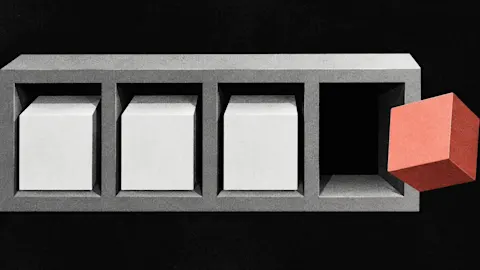
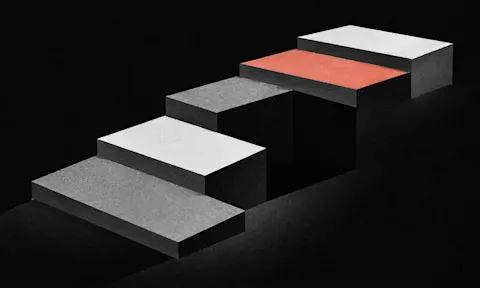
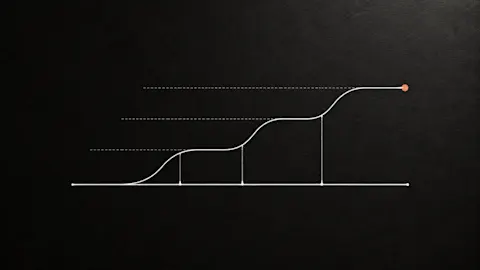
In the hiring sequence I've described, the first person can make content and get it finished. As volume grows, the second person takes more of the editing. That lets the first hire spend time on ideas, experiments and understanding the results.
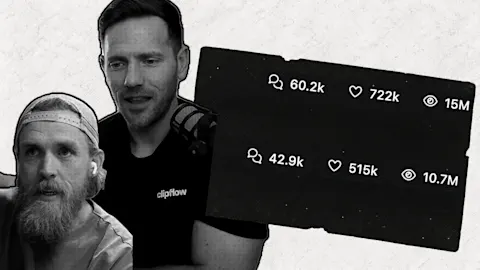
You need that time because increasing output also gives you more to learn from. If that person spends every day clearing the edit queue, they have less time to learn from the results.
A further hire can bring expertise in another platform. If you're moving from Instagram into YouTube, I'd look for someone who understands the next platform. I wouldn't assume the same approach will carry across unchanged.
That sequence is how I'd think about starting again. It isn't a requirement to hire three people before you publish anything. Each role has a reason that comes from the work becoming too much for the current setup.
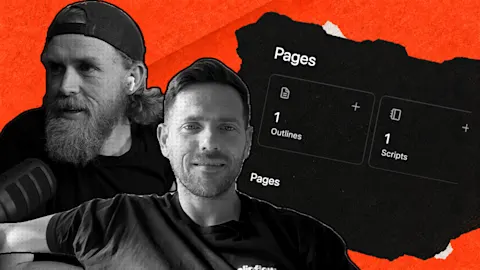
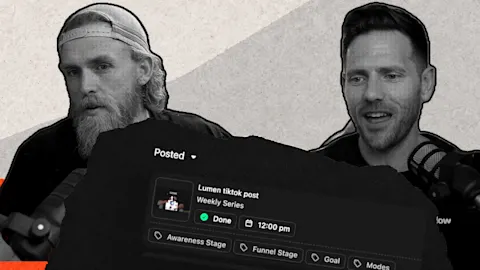
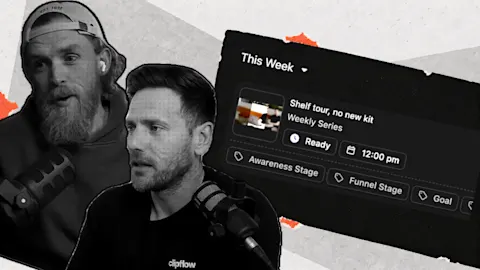
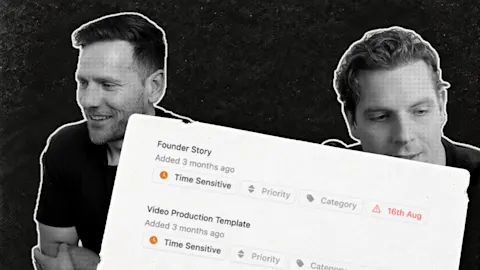
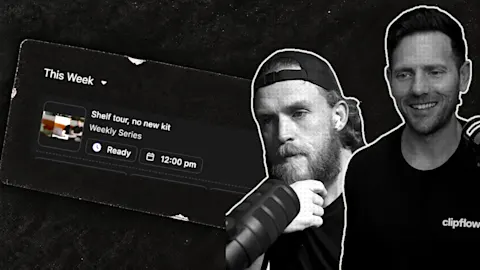
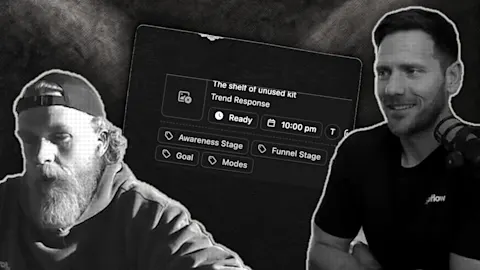
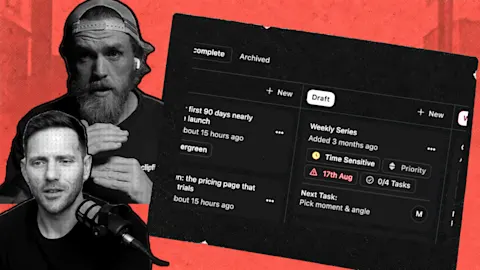
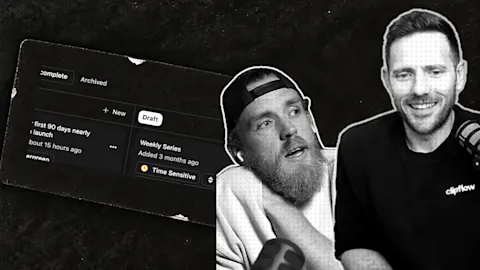
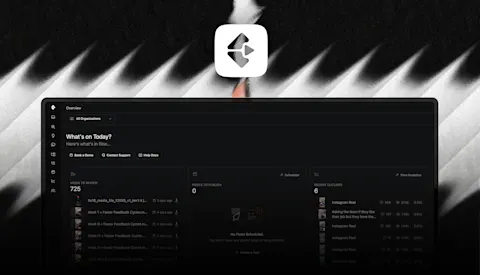
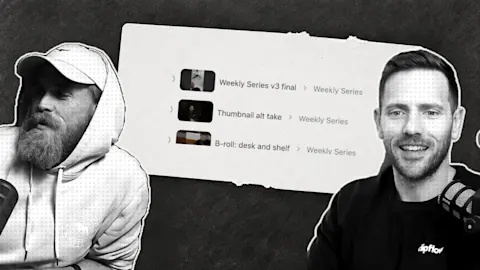
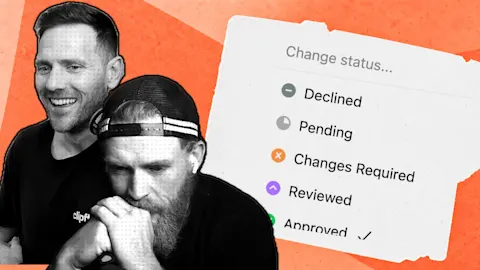
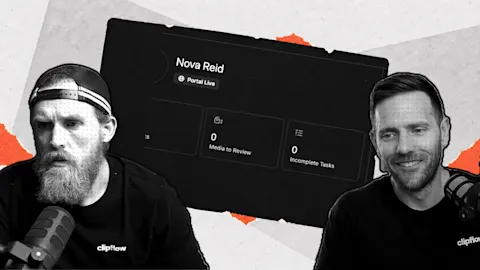
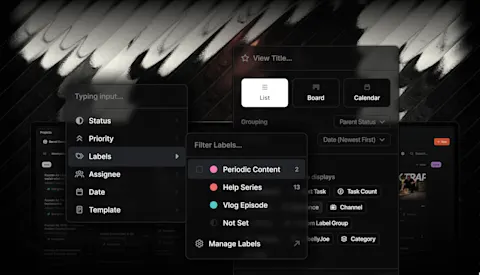
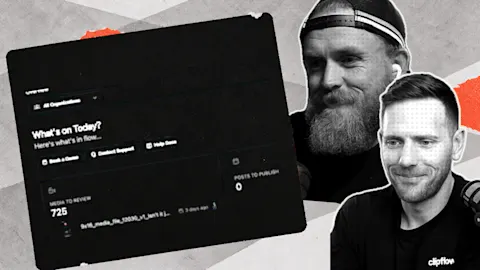
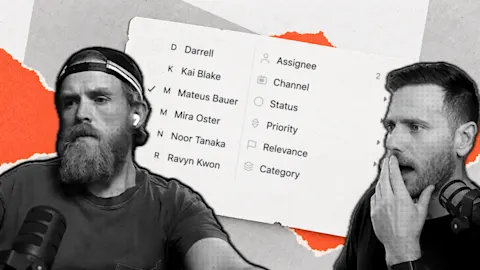
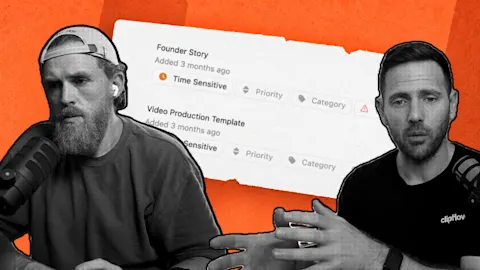
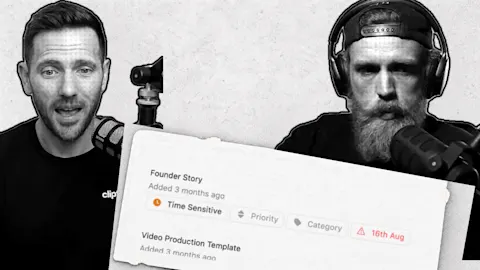
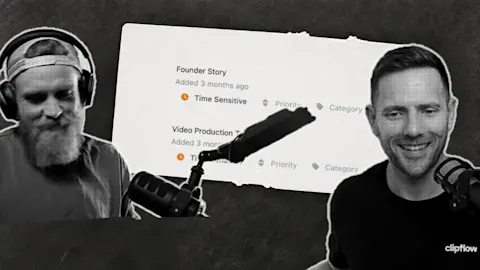
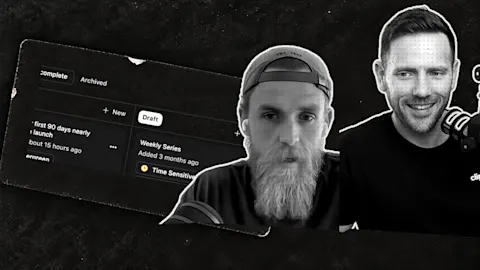
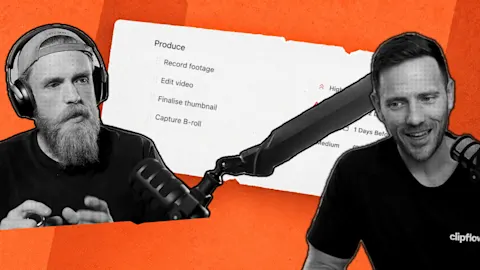
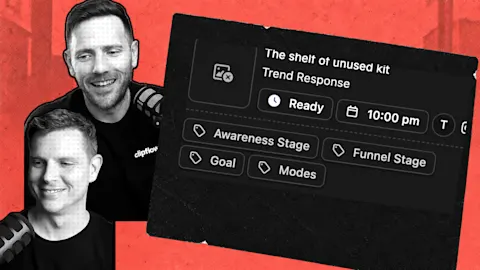
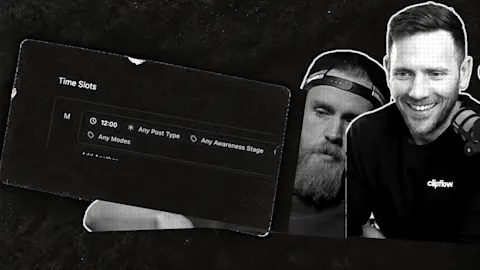
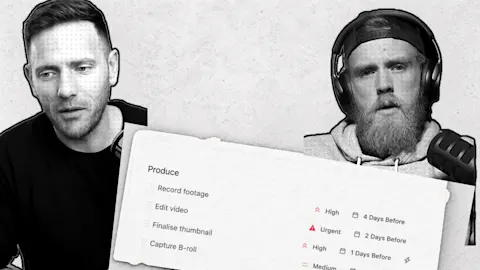
The team also needs a shared place to see what is happening. Handing edits to someone else won't help much if footage, ideas and feedback keep disappearing between people.
So let the jobs become more specific as the process develops. Add the role that removes the next constraint, and keep enough room for someone to learn from the content you're making.