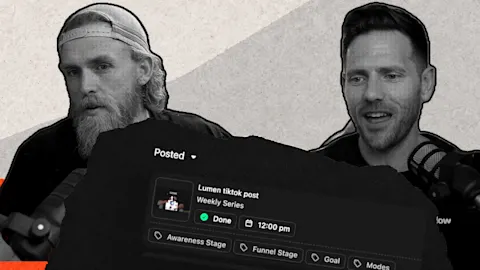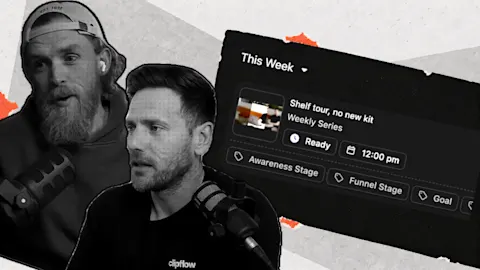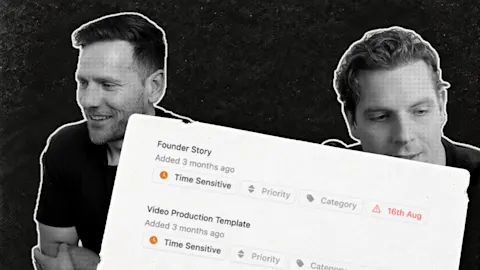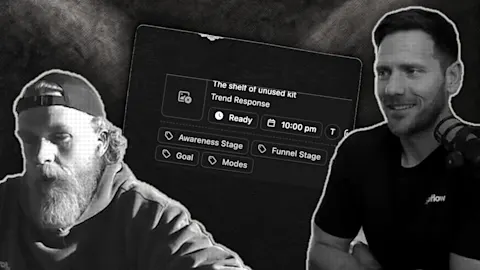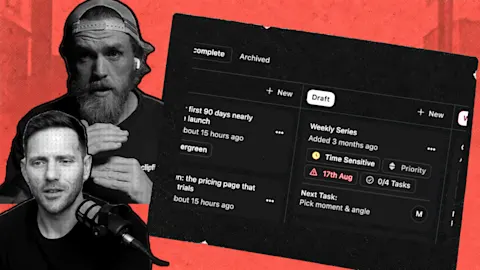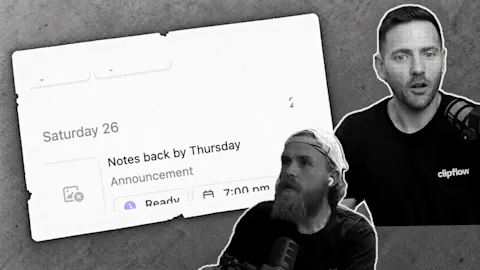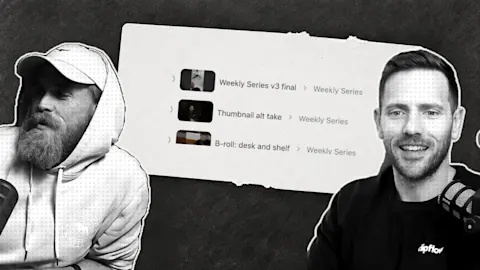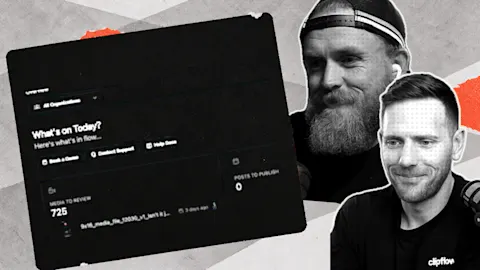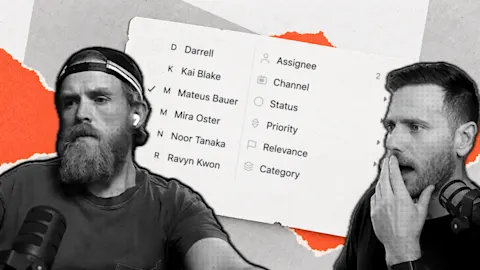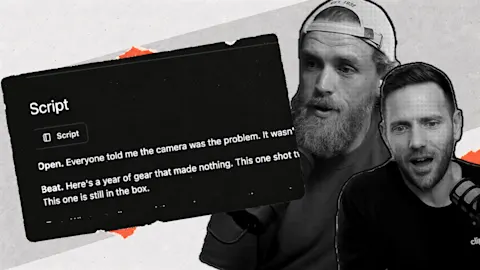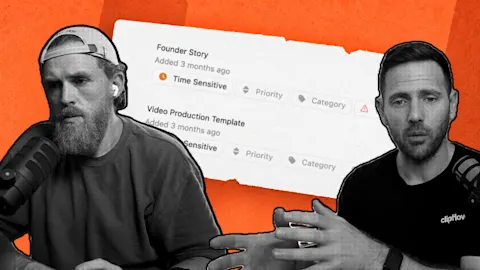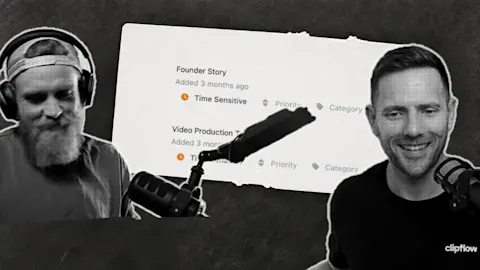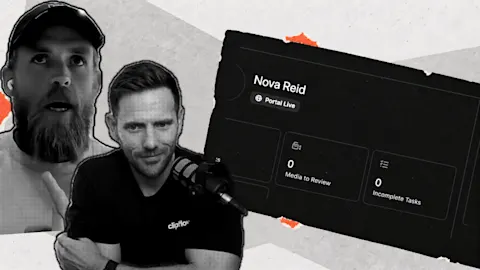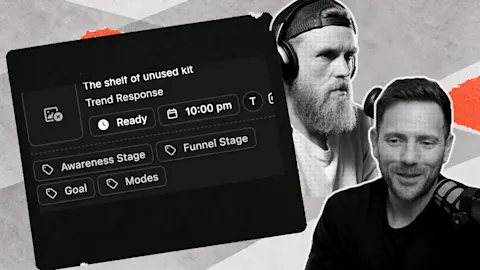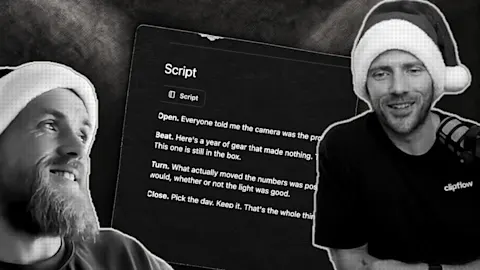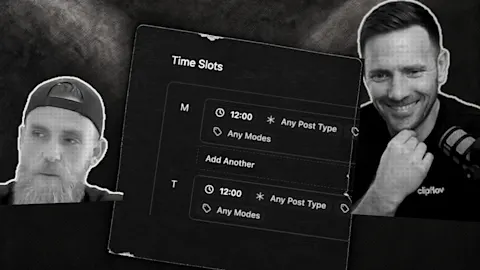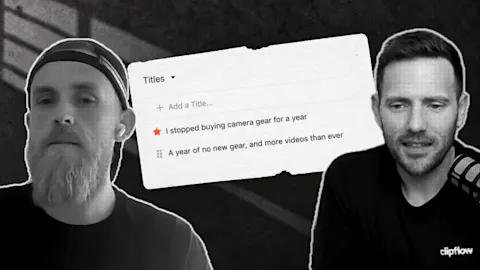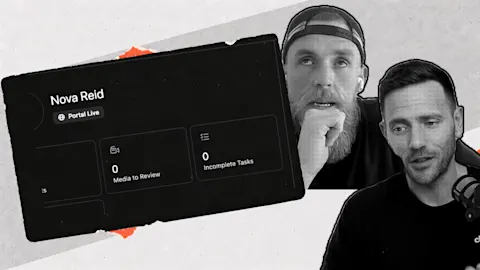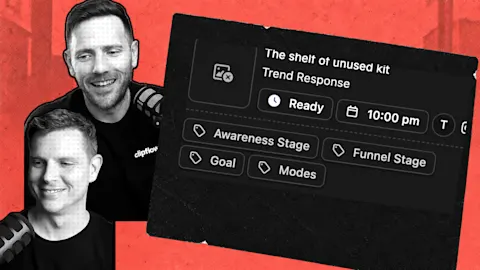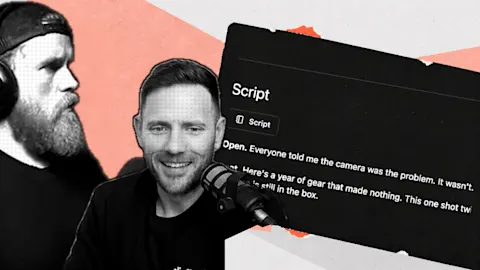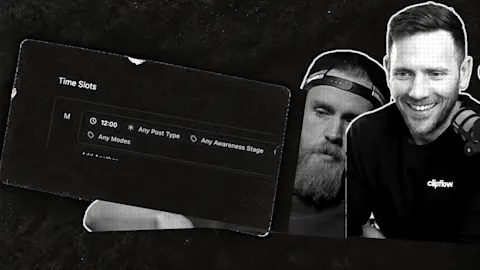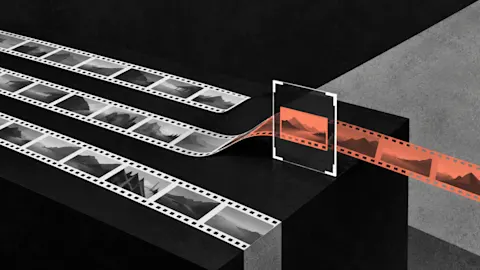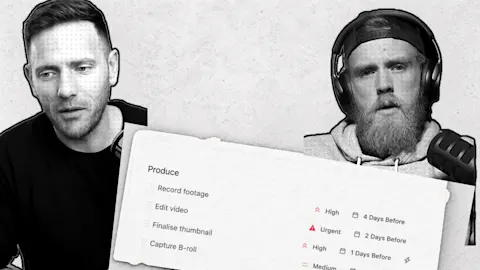
After a change inside our team, I had to take over a lot of content work. Thankfully, I could open the system and work out where everything was up to.
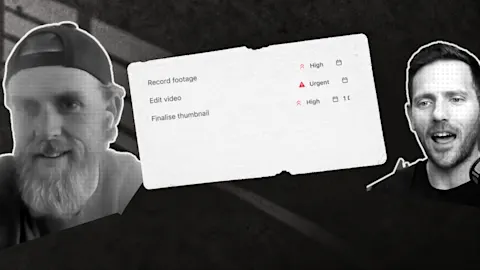
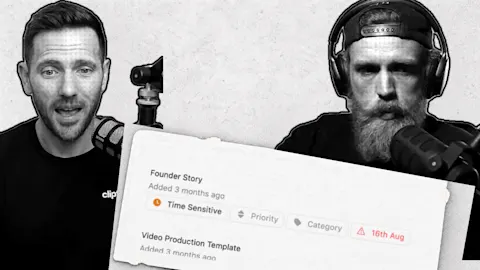
What needed to go out? What was still in production? What was already moving through the publishing pipeline? Those were questions I needed answers to quickly.
I make a lot of content, so I couldn't have reconstructed the whole picture from memory. If the information had lived only in someone else's head or notepad, taking over would have been a very different job.
Instead, I could see the work and keep going. That was a fairly immediate return on the time we'd spent organising it.
Systems and processes can feel like extra work when everything is going well. The people involved know what they're doing, and asking them to keep the state of the work visible can seem unnecessary.
Then something changes. A responsibility moves, someone is unavailable, or you need to step back into a job you haven't been doing. You find out whether the system holds the information or whether a person was holding it for everyone.
I've always liked building systems, but that experience reinforced why I do it. They help the business continue when the arrangement around the work changes.
Look at a workflow someone else runs for you. If you had to take it over tomorrow, could you see what was done, what was pending and what needed your attention? That's a useful way to judge whether the process is giving the business something beyond the person currently running it.