Every script that fails, fails because it broke a promise the viewer didn't even know they were holding.
Source: This framework comes from Kallaway's "How To Write A Killer Script That Keeps Viewers Hooked", which lays out the exact five-step scripting order he uses for every video and grounds the entire process in a single psychological principle.
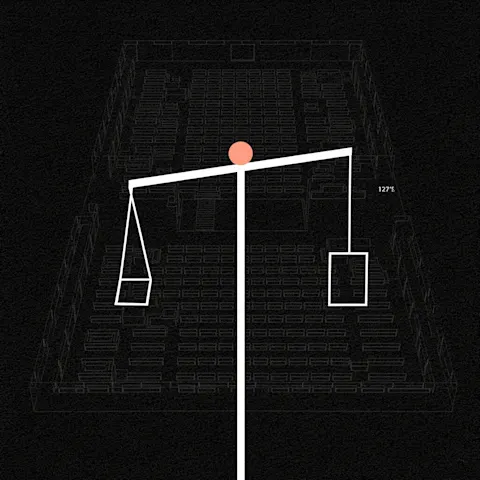
The principle is simple: expectations vs. reality. When reality beats expectations, when things go better than the viewer anticipated, they stay. When expectations beat reality, when the video delivers less than the packaging promised, they leave. Every step of the scripting process either raises or lowers one side of that equation, and most creators don't realize which side they're moving until the retention graph tells them.
Kallaway writes every script in the same order: packaging, outline, intro, body, outro. Not because he lacks creativity, but because the order itself prevents the most common scripting failures. Each step feeds the next, and skipping ahead, writing the intro before the packaging is locked, or scripting the body before the outline exists, introduces exactly the kind of expectation mismatch that kills watch time.
Why Most Scripts Fail at the Wrong Stage
Most scripting advice focuses on the writing. Better sentences, stronger hooks, tighter editing. But the majority of script failures happen before a single sentence gets written, at the packaging and structural level.
A video with a mediocre title and a brilliant script will underperform because the packaging set the wrong expectations. The right audience never clicked. Or the wrong audience clicked and bounced because the content wasn't what the title implied. A video with brilliant packaging and no structural outline will meander through the body, losing viewers not because the information is bad but because the pacing feels directionless.
Writing quality matters. But it sits at step 3, 4, and 5 of a five-step process. Teams that jump straight to writing are starting at step 3 and wondering why the finished product doesn't hold attention. The foundation was never laid.
I've watched this happen repeatedly in our own workflow. A writer produces a genuinely good script, the sentences are clean, the information is solid, but the video underperforms because the packaging and the intro were misaligned. The title promised one thing, the first 15 seconds delivered something adjacent, and by the 30-second mark 40% of viewers were gone. The script wasn't the problem. The sequence was.
Step 1: Packaging, Idea Title and Thumbnail Work Together
The idea is not the topic. It's a one-line sentence describing what the video is about, framed as either the pain point you're solving for your ideal viewer or the rabbit hole you're creating for them. "How to edit faster" is a topic. "Cut your editing time in half without losing quality" is an idea. The difference is that the idea contains a promise, and that promise is what sets the viewer's expectations.
The title is the most critical element of packaging because it's the primary expectation-setting mechanism. A viewer reads the title, forms an expectation of what they'll get, and clicks. Everything that follows is measured against that expectation. If the title says "I spent $50,000 testing YouTube thumbnails," the viewer expects to learn what $50,000 worth of thumbnail testing revealed. Deliver that, and you meet expectations. Deliver it with a surprising insight they didn't anticipate, and you beat expectations. Deliver a generic thumbnail tutorial with the $50,000 figure mentioned once, and you've lost.
The thumbnail reinforces the title but serves a different function. The title sets the intellectual expectation. The thumbnail sets the emotional tone. Together they create a complete promise that the rest of the script must fulfill.
For content teams, this means packaging should be its own stage in the production workflow, a brief that gets reviewed and approved before any writing begins. At Clipflow, we treat this as the brief stage. The idea, the title direction, and the thumbnail concept get locked before the writer opens a document. This prevents the most expensive kind of failure: a fully written, fully produced video built on packaging that was never validated.
Step 2: Outline, Structure Beats Before Writing Sentences
Once the packaging is locked, you know what you've promised. The outline determines how you'll deliver on that promise, in what order, with what pacing.
Kallaway's approach is to write the outline as a series of story beats, not topics. The difference matters. A topic outline for a video about pricing might read: "Introduction, Cost-Plus Pricing, Value-Based Pricing, Hybrid Models, Conclusion." That's a list of things you'll cover, but it tells you nothing about the narrative arc.
A beats outline for the same video might read: "Hook with the pricing mistake that cost us $30K. Explain the standard approach most agencies use. Reveal why that approach systematically undercharges. Introduce the alternative we tested. Show the results over 6 months. Address the objection that this only works for large clients."
The beats version has direction. It has tension. It has a sequence that builds. And critically, it has the "but/therefore" connective tissue that Kallaway references from Trey Parker and Matt Stone's South Park writing process. Each beat connects to the next through complication or consequence, not just adjacency.
For teams producing at volume, the outline stage is where structural review happens. A senior strategist or content lead should be reading outlines before they become scripts, checking that the beats escalate, that the promise from the packaging is addressed early enough, and that the pacing won't create dead zones in the middle of the video.
Step 3: Intro, Click Confirmation Not Just Confirmation
The intro has one job: confirm the click. The viewer clicked because the packaging set an expectation. The intro must meet that expectation within the first few seconds, and ideally beat it.
Kallaway uses MrBeast's pyramid video as the clearest example of this. The title says "I spent 100 hours inside the pyramids." The very first sentence shows and tells the viewer he's inside the pyramids. Expectation met. Then he adds: "I have unprecedented access to explore pieces that have never been explored before." Expectation beaten. The viewer came for 100 hours in the pyramids and got something even better, exclusive access no one else has.
This give-and-take, meeting and then exceeding expectations, is why the intro is so critical. The goal is confirming the viewer made the right click and then giving them a reason to believe the rest of the video will be even better than they expected, not cramming as much value as possible into the first 30 seconds.
There's a useful parallel to the feeling you get after giving a public speech. Before you go on stage, your expectations are low. You think you'll stumble, forget your points, bomb in front of everyone. Then reality beats those expectations. You get through it, the audience responds, it goes fine or even well. The relief and satisfaction you feel is the expectations-vs-reality gap working in your favor. The intro needs to create that same gap for the viewer.
The failure mode here is obvious but common: intros that add context, background, or qualifications before confirming the click. "Before we get into this, let me explain why this matters" is a delay that lets expectations sit unmet. Every second between the click and the confirmation is a second where the viewer wonders if they made the right choice.
For content teams, this becomes a specific QA checkpoint. Read the title. Read the first three lines of the script. Does the script confirm the title's promise within those three lines? If not, rewrite the intro before anything else.
Step 4: Body, Delivering Value With Story Not Information
The body is where most scripts revert to information delivery. The hook worked, the intro confirmed the click, and now the writer dumps everything they know about the topic in sequential order. This is where retention dies.
Kallaway's framework for the body is built on the same but/therefore structure from the outline, applied at the sentence and paragraph level. Each section of the body should connect to the next through complication ("but") or consequence ("therefore"), not through simple sequence ("and then").
"We tested this pricing model for six months" is a statement. "We tested this pricing model for six months, but the first month nearly made us abandon it" is a story beat. The "but" introduces tension, and tension is what pulls the viewer forward. "The first month was rough, therefore we made a specific adjustment to how we presented the price" is a consequence. The viewer wants to know what the adjustment was.
Compare this to the information-dump version: "We tested this pricing model. Here are the results from month one. Here are the results from month six. Here's what we learned." Each sentence is true and useful, but there's no connective tissue pulling the viewer through. Any viewer can stop at any sentence and feel like they've gotten enough.
The body should also deliver value through specificity. Specific numbers, specific names, specific timeframes. "We grew our channel" is vague. "We went from 2,400 to 11,000 subscribers in 14 weeks" is specific enough to be credible and interesting enough to hold attention.
Kallaway calls scripting "the game within the game," and he's right. It is the most important building block in content. A well-shot, well-edited video with a weak script will always underperform a simply shot, simply edited video with a script that manages tension correctly. Production value is visible, but script structure is what determines whether anyone stays long enough to see it.
Step 5: Outro, Turning Watch Time Into Action
The outro is the shortest section but one of the most strategically important. By the time a viewer reaches the outro, they've watched the entire video. They're the most engaged segment of your audience. What you ask them to do next matters.
Most outros default to "like and subscribe," which is fine but generic. Kallaway's framework treats the outro as a conversion mechanism. The viewer has received value. They've had their expectations met or beaten. This is the moment of highest trust, and the ask should match that trust level.
A strong outro does three things: it restates the core insight from the video (reinforcing the value they received), it connects that insight to the next action (subscribe for more, check out a related video, download a resource), and it makes the ask specific. "Subscribe" is generic. "If you're scripting more than 4 videos a month and want to see how we template this process, subscribe because that's what next week's video covers" is specific, relevant, and tied to demonstrated interest.
For content teams, the outro is the CTA review stage. Every script should have its CTA reviewed for specificity and relevance before filming. A generic "like and subscribe" at the end of a highly specific, well-structured video is a wasted opportunity. The CTA should feel like a natural extension of the value the video delivered, not a bolted-on afterthought.
Expectations vs. Reality: The Psychology Driving Every Step
The five steps aren't arbitrary. They're ordered to manage the expectations-vs-reality equation at every stage of the viewer's journey.
Packaging sets expectations. The outline structures reality. The intro confirms that reality will meet or beat expectations. The body delivers reality through tension and specificity. The outro converts the gap between what the viewer expected and what they received into action.
When this system works, the viewer finishes the video feeling like they got more than they came for. That feeling is what drives likes, subscribes, shares, and comments. The entire framework is built around delivering escalating value against the expectations the packaging created, so the viewer always feels like they got more than they bargained for.
When the system breaks, it breaks at predictable points. The packaging overpromises and the intro can't confirm the click. The outline lacks structure and the body meanders. The intro confirms the click but the body delivers information instead of story. The body is strong but the outro wastes the trust it built. Each failure maps to a specific step being skipped or rushed.
Understanding the psychology behind the framework makes the framework sticky. You're not following five steps because someone told you to. You're managing the gap between what your viewer expects and what they experience, at every stage, because that gap determines whether they stay, leave, or come back.
How to Build This Into Your Production Workflow
For individual creators, the five steps are a checklist. Write in this order, check each step before moving to the next, and you'll catch most scripting failures before they become production failures.
For content teams producing at volume, the five steps map directly to workflow stages that can be systematized and reviewed independently.
Packaging = Brief Stage. The idea, title direction, and thumbnail concept are developed and approved before writing begins. This is a strategy review, not a creative review. The question is whether the packaging accurately targets the right audience with the right promise.
Outline = Structural Review. The beats outline is reviewed by a content lead for pacing, escalation, and but/therefore connectivity. This takes 10 to 15 minutes per script and catches structural problems that would otherwise survive all the way to the final edit.
Intro = Hook QA. The first three to five lines of the script are reviewed against the title. Does the script confirm the click? Does it beat expectations? This is a 2-minute check that prevents the most common intro failure.
Body = Script Writing and Review. The full script is written and reviewed for information-dump tendencies, but/therefore structure, and specificity. This is the longest stage but also the most straightforward because the structure is already locked.
Outro = CTA Review. The closing section is reviewed for specificity, relevance, and alignment with the value the video delivered.
Each stage has a clear deliverable, a clear reviewer, and a clear pass/fail criterion. The framework stops being a creative guideline and starts being an operational system. Content teams producing 8, 12, or 20 videos a month need this systematized because relying on individual writer heroics at scale is how you get inconsistent retention, inconsistent quality, and burned-out writers.
The blank page is the enemy of consistent output. A five-step sequence that begins before writing and ends after the last word turns the blank page into a series of constrained, answerable questions. What's the promise? What's the structure? Does the intro confirm the click? Does the body use tension? Does the outro convert? Answer those in order, and the script writes itself. Or more accurately, the script writes itself correctly.