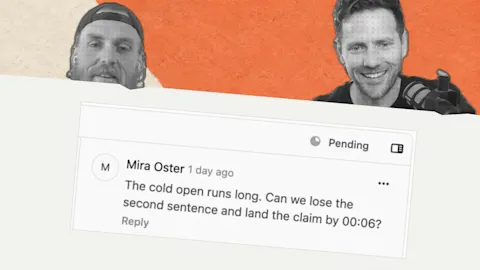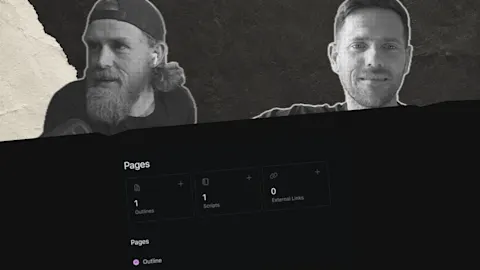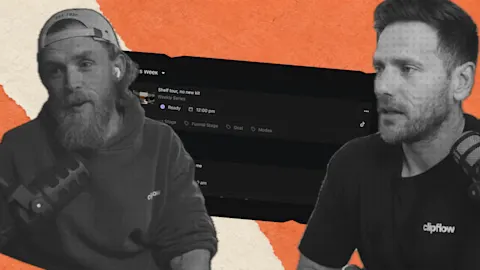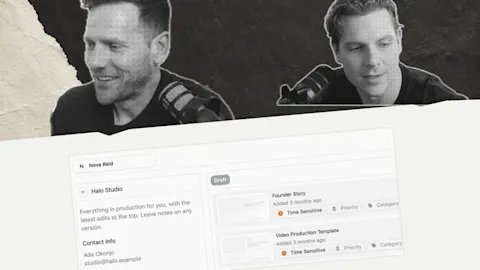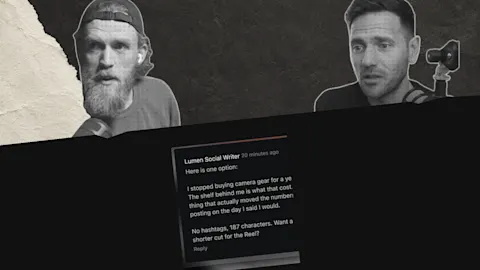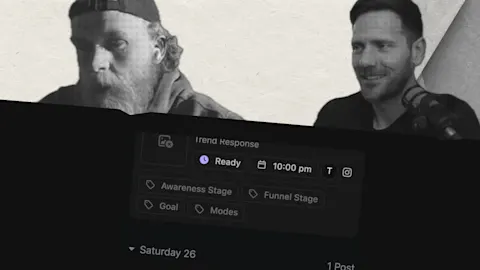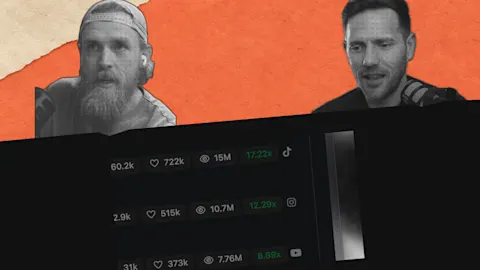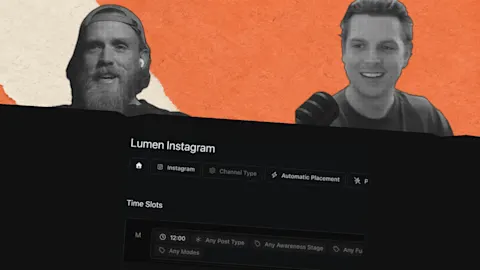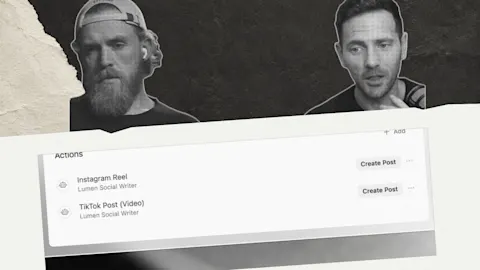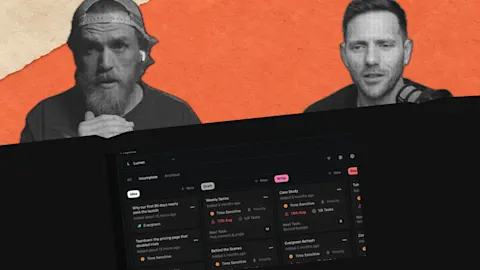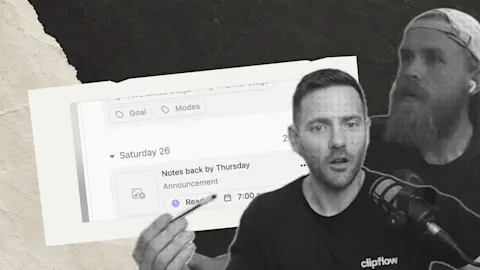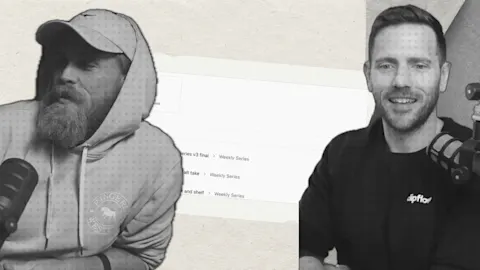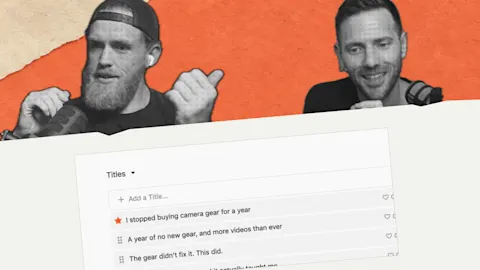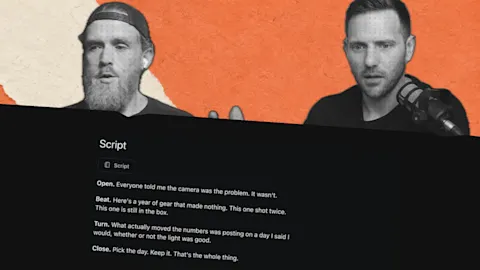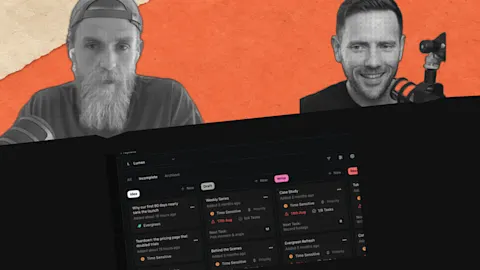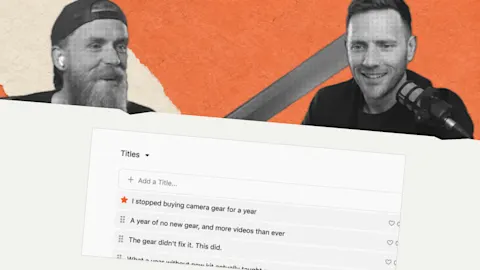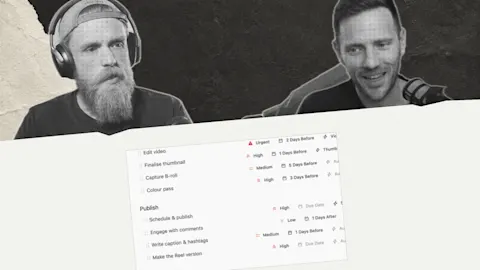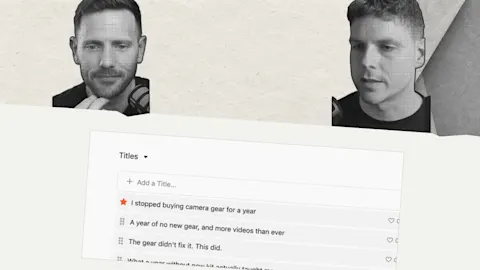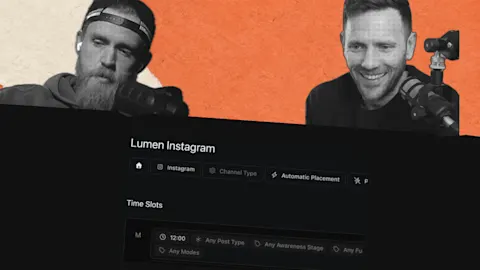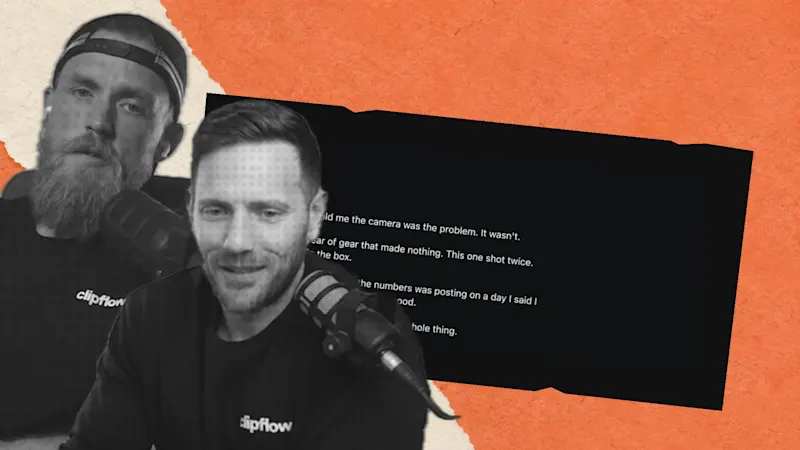
Remote recording is convenient, while an in-person session can capture things a webcam conversation cannot. A three-day Brisbane filming trip gave our team material we could not have captured through the same remote setup. The useful decision for a business is which material the session needs to produce, and whether gathering people in one place is worth the effort.
Progress update from 27 September 2025. The filming experience reflects that trip and the team's own production setup.
TL;DR
Clipflow updates
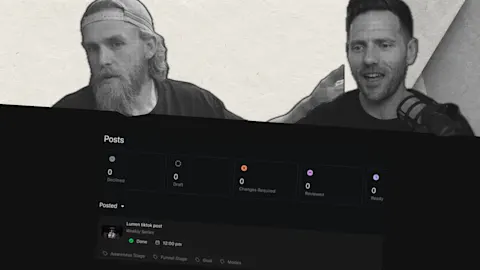
- The team reviewed a three-day in-person filming trip alongside its usual remote production.
- Working together supported quicker idea changes, spontaneous footage and multiple camera perspectives.
- Travel and audio problems were practical costs of the session.
Putting it to work
- Plan the footage the explanation needs before choosing the recording format.
- Capture supporting material and check audio while there is still time to repeat a take.
Start with the shots the story needs
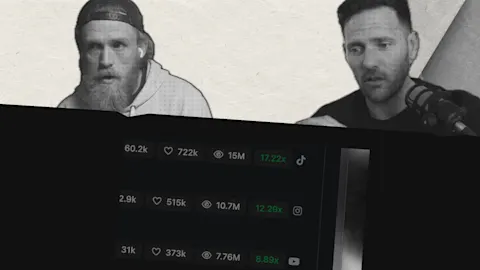
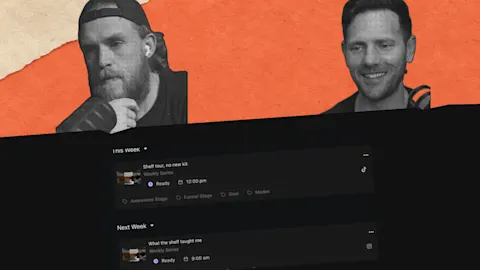
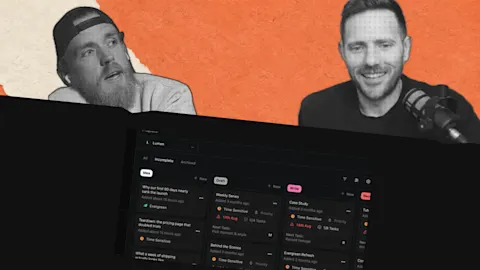
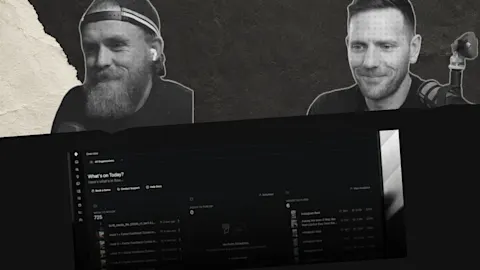
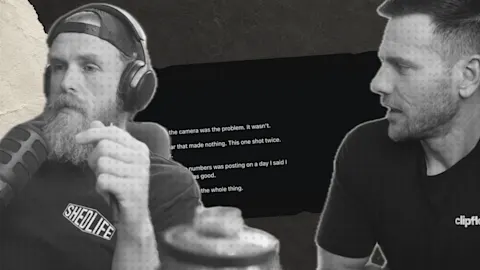
Being together gave us ideas we could act on immediately: an unusual distant angle, impromptu footage and the ability to change a line while recording. They also captured behind-the-scenes stills and supporting video that could serve later pieces.
For a factory walkthrough, those advantages may matter. The process, setting and people are part of what the audience needs to understand. A remote conversation might explain the same subject, but would need that visual material supplied separately.
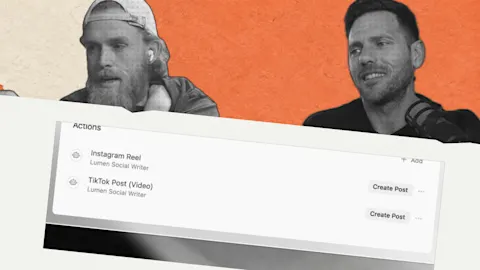
For a short answer to a common customer question, a remote recording may be enough. Prepare the example and gather any existing supporting footage in the media library before deciding that a full shoot is necessary.
Assign the checks as well as the recording
The trip also exposed an avoidable weakness: audio was not always being monitored, and some reads were unusable. A recording session needs somebody checking the material, even when everyone is busy contributing ideas.
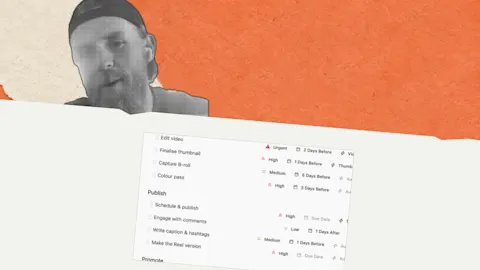
Agree who listens to the audio, who checks the take and who records the next pickup. If a line needs a correction, make it while the person and setting are still available.
Afterward, organise the usable takes and note what is missing. The value of gathering the team is the material you can turn into clear explanations, with fewer gaps left for the editor to solve later.
Subscribe to the Clipflow YouTube channel for more updates here.
Follow Ken on Instagram here.
Follow Darrell on Instagram here.