Source: Interview with Tommy Lee, lead editor for Sidemen, on the Clipflow YouTube channel.
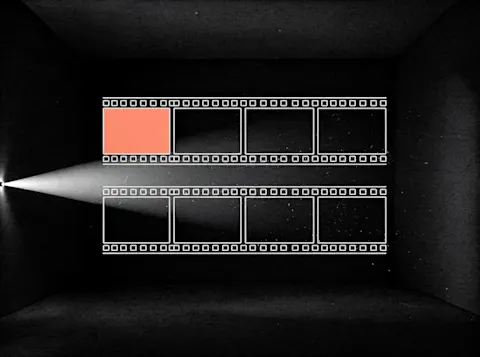
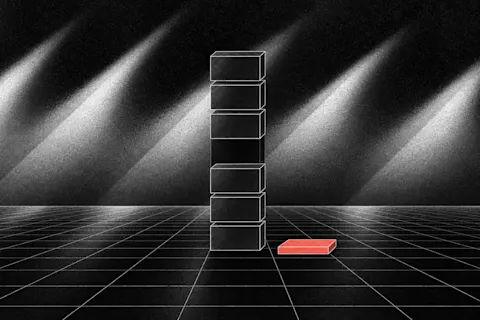
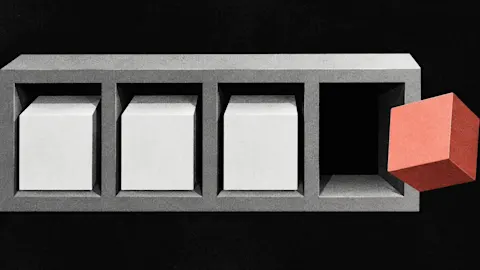
When I asked Tommy Lee about frameworks or models he returns to for storytelling, he didn't cite three-act structure or hero's journey. He talked about contrast.
"I'm a big fan of contrast. Either contrast of emotion, contrast of music, contrast of location. Any kind of contrast works well, especially in the YouTube space because nowadays people really want to be engaged every other minute."
The principle is simple: variation creates attention. When something differs from what came before, the viewer's brain registers it. Expected or unexpected, the shift wakes people up.
Why Contrast Works
Human attention is built to notice change. Steady states fade into background. Movement gets tracked. This is evolutionary wiring, not a creative theory.
In editing, this means a video that maintains one tone, one energy level, one visual style for 20 minutes will lose viewers regardless of how good that single note is. The brain habituates. Interest drops.
Contrast disrupts habituation. A loud moment followed by a quiet moment hits different than two loud moments in a row. The quiet feels quieter because of what preceded it.
"So either it'd be expected or unexpected, because it's contrary to what you just saw. You're awake."
Expected contrast is structural. The audience knows a shift is coming, they anticipate it, and the payoff satisfies. Unexpected contrast surprises. Both work. The mechanism is the same: difference from what came before.
Team-Based Content Has Built-In Contrast
Sidemen's format gives them natural contrast opportunities.
"We're quite lucky that we do a lot of team-based things. So if team one is doing something fun and team two is doing something silly, already a contrast. We lean into that a lot."
This is worth noting for any content operation. If your format naturally includes multiple perspectives, locations, or characters, you have contrast built in. The question is whether you're using it intentionally or just letting it happen.
Cutting between a team struggling and a team succeeding creates tension. Cutting between high energy and low energy creates rhythm. The structure of the content provides the raw material. The editing decision is how to sequence it.
The Silence Weapon
Tommy's most interesting insight was about using less, not more.
"The one thing that I like to do nowadays that I didn't do as much a while ago was use less music and sound design. Silence and ambience."
He described the technique:
"If I've got a lot of busy stuff happening and there's quite a chaotic scene, after that scene I want to emphasize maybe peace and quiet or awkwardness. I'll just leave everything out. So I'd build it up, build it up, build it up as high as I can and then dip to absolutely nothing."
But he takes it further:
"Within the absolutely nothing, I would also add more nothing. So I'd add more white noise, add more little birds in the background just to make it a bit more ambient."
The silence isn't empty. It's designed. The contrast comes from the absence of the chaos that preceded it, and the ambient layers make that absence feel intentional rather than like a mistake.
"I think it really works well when the prior scene is as busy as it can be."
Patterns and Recognition
Tommy connected contrast to a broader principle about how humans process video:
"I think in patterns there's so much more to be explored within an edit because we as humans are so psychologically drawn to the patterns in video and visual and symmetry and stimulants."
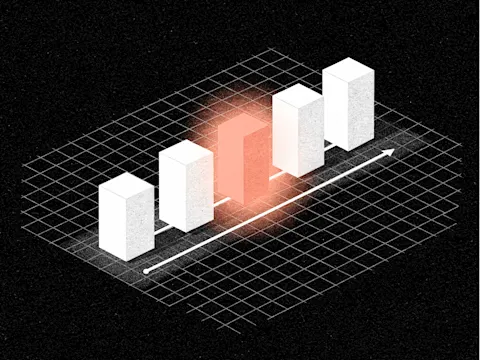
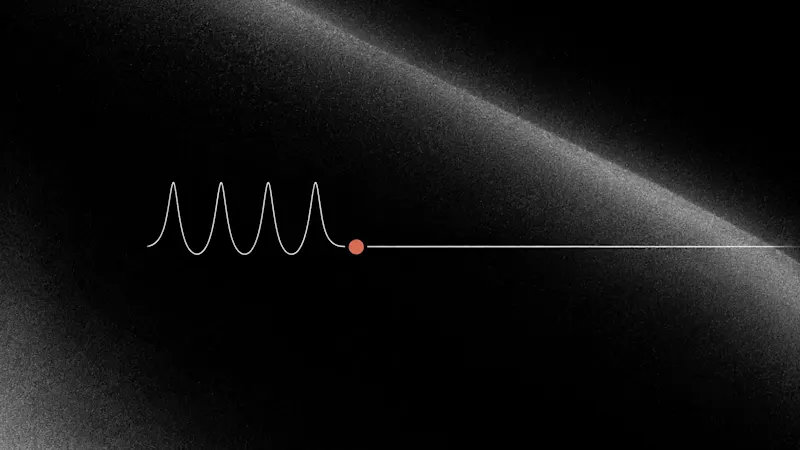
Contrast creates patterns. Build, release. Build, release. Loud, quiet. Fast, slow. The audience's brain starts anticipating the rhythm, which makes the next contrast even more effective.
"If you apply those in edit, you'll always have a more engaging and better watch experience."
This isn't about being unpredictable. It's about being rhythmic. Unpredictable edits are exhausting. Rhythmic edits with well-placed contrast are engaging.
Applying Contrast to Your Content
Most content problems are contrast problems in disguise.
The video is boring. Probably one sustained energy level. Add contrast. Even one dip and recovery creates variation.
The pacing feels off. Check the rhythm. Are you build-build-building with no release? Or releasing too often with no build?
The ending doesn't land. Contrast the final moment with what comes before. If the ending is quiet, make the preceding section busy. If the ending is triumphant, make the preceding section struggle.
Viewers drop off mid-video. Find the dead zone and introduce contrast. A change in music, a cut to a different visual style, a shift in tone. The change itself creates interest.
The framework doesn't replace creative judgment. It gives creative judgment something to work with. When you're stuck on an edit, ask: where's the contrast? What would be different from what came before?
Tommy summarized it simply:
"Rhythm is everything. If you can find rhythm in a story, it feels really special."
The rhythm comes from contrast. Build and release. Change and continuity. The edit that feels inevitable is usually the one where the contrasts land at exactly the right moments.