Every reel you post is teaching something, and most creators only ever teach one of four ways. That's the reason a feed can start to sound the same week after week even when the topics are fresh, and it's also the reason big slices of the audience keep scrolling past a channel they'd otherwise buy from.
Source: The four teaching modes framework is Sean Fox's, from a Clipflow demo call with Ken on 2026-06-22. Sean runs The Authority Engine and coaches operators on content that teaches. The naming (stories, worldview, direct education, demonstration) is his. The audit-your-last-ten-posts exercise and the wiring into scheduling labels are ours.
Sameness in a feed is usually a mode problem, not a topic problem
Most audits of a stale-feeling account start with topics. Are we posting the same subject matter too often, do we need to freshen up the categories, should we branch into adjacent ideas. That's the surface-level fix, and it sometimes helps for a week.
The deeper pattern is usually about mode. Two posts can be on completely different topics and still land as the same post if they're both taught the same way, because what a viewer registers is not just what you're talking about but how you're presenting it. A founder who does forty worldview takes in a row still reads as "the guy who has opinions," regardless of which opinions those are. A coach who does forty how-to lists still reads as "another list guy."
Sean's frame is that every post you make is doing one of four teaching jobs, and if you never cycle through them, the audience only ever meets one version of you.
The four modes
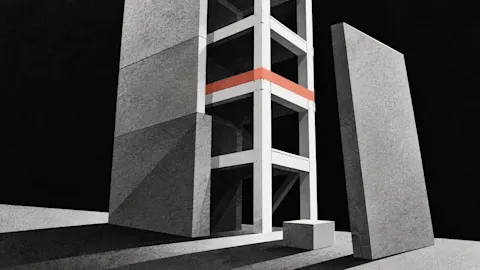
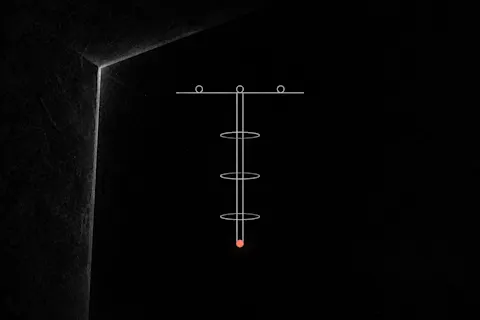
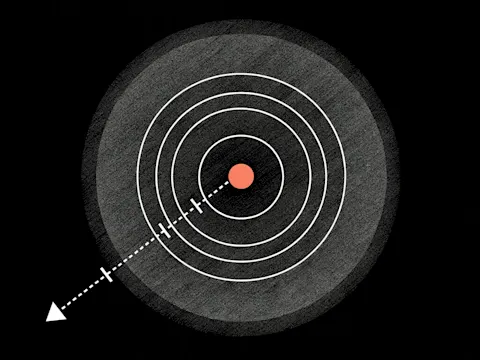
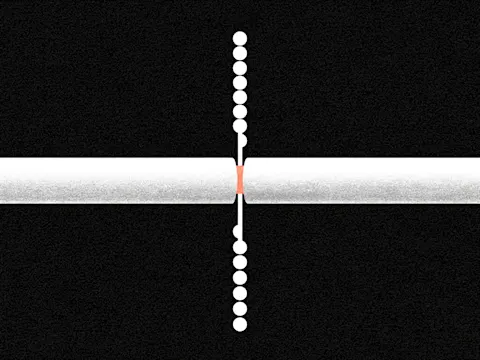
Stories. Teaching through something you lived. What happened, what you saw, what it taught you. This is the mode that most easily earns trust because the audience knows you can't fake a lived experience.
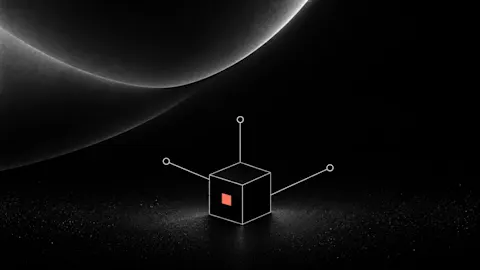
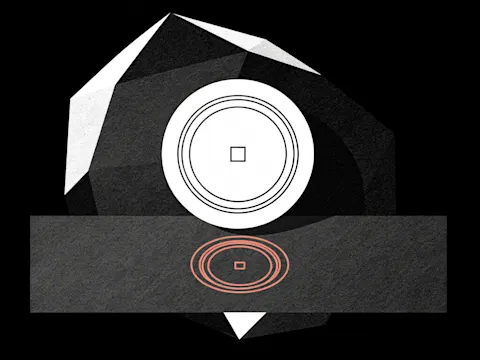
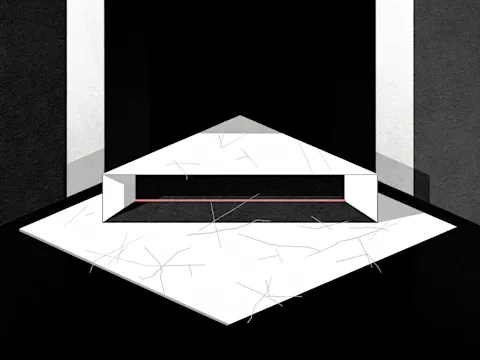
Worldview. Your beliefs about the space. What you think is broken, what you're betting on, why the conventional wisdom is wrong. This is the mode that most easily builds authority because the audience is watching you take a position they can agree or disagree with.
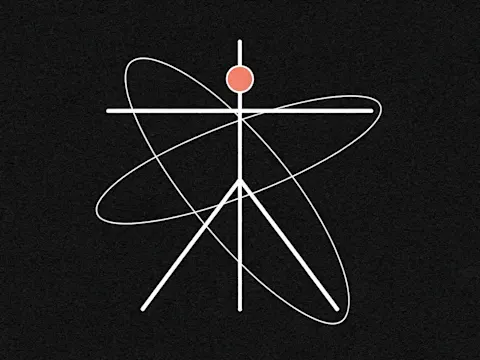
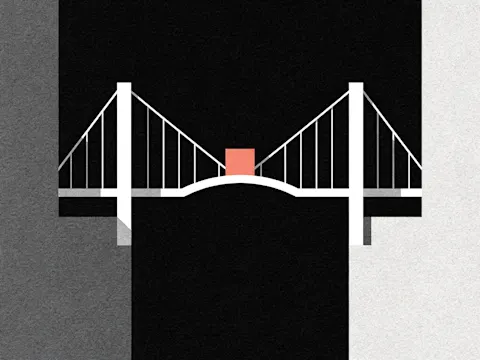
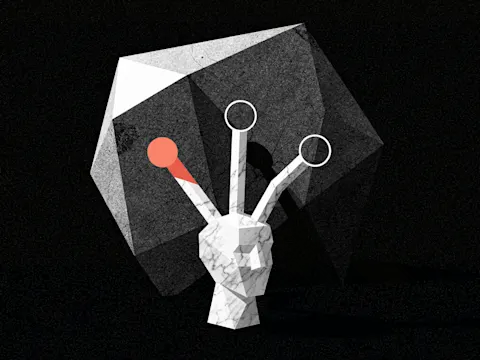
Direct education. The how-to. If you want X outcome, here are the three things to do. This is the mode that most easily gets saved and shared because the audience can execute against it.
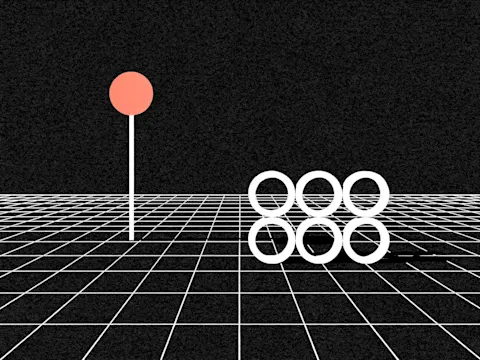
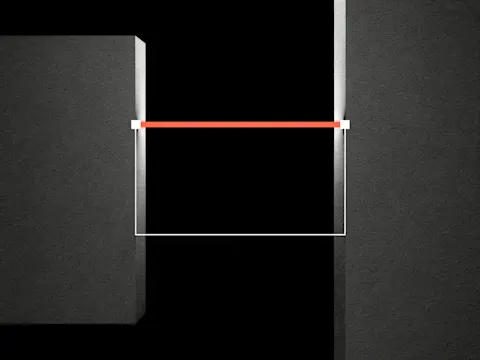
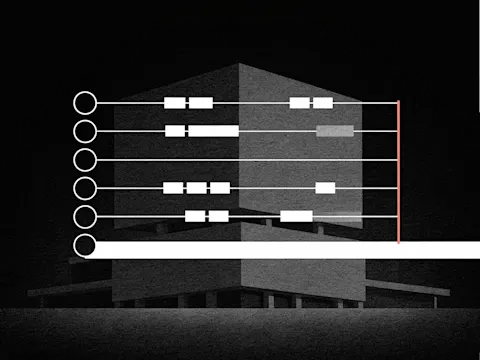
Demonstration. Show the thing. Draw the model on the whiteboard, screen-share the tool, walk through the exact example. This is the mode that most easily converts because the audience sees the actual mechanism instead of just hearing about it.
People connect through different doors. Some viewers stop scrolling for a story and won't sit through a how-to. Some viewers only trust a demonstration and don't care about your beliefs about the space. Some viewers want a worldview take before they'll take you seriously on execution. Cycle through all four and different slices of the audience keep recognising you as the expert. Stick to one and the other three slices never land.
Every operator has a default mode, and it's usually the wrong one
The failure pattern is predictable. Founders default to worldview because it's what they think about all day, and they never demonstrate the actual thing they do. Coaches default to direct education because that's the shape of their paid product, and they never tell a story. Technical operators default to demonstration because that's their comfort zone, and they never take a position anyone could argue with.
None of those defaults are wrong on their own. The problem is that the missing three modes are exactly the ones that reach the audience segments the default doesn't. A founder who only does worldview attracts other founders who like their takes and misses everyone who wanted to see the how-to before they trust the take. A coach who only does direct education gets saves and shares from other coaches and misses everyone who needed to hear a story about a real client before they'd believe the framework.
The account is underperforming because three of the four doors are locked and the traffic behind them can't get in, not because the content is bad.
Audit your last ten posts against the modes
Pull your last ten posts, tag each one with the mode you think it used, and count. If eight are the same mode, that's the gap.
The count almost always surprises the operator, because the default mode doesn't feel like a default from the inside. It feels like "what my content is about." Naming the mode explicitly (this is a worldview post, this is a demonstration post) is the thing that lets you see the pattern you were producing on autopilot.
Once you've tagged the ten, the fix is straightforward. Take the next piece of content you were about to shoot, and reframe it in the mode furthest from your default. If you usually do direct education, tell a story from a client engagement this week. If you usually post stories, sit down at the whiteboard and demonstrate the model. Same topic, different door.
Wire the modes into the schedule so you can't backslide
The audit works for a week or two, and then the default mode reasserts itself because nobody built a system to keep the four rotating. The scheduling layer is where the fix has to live.
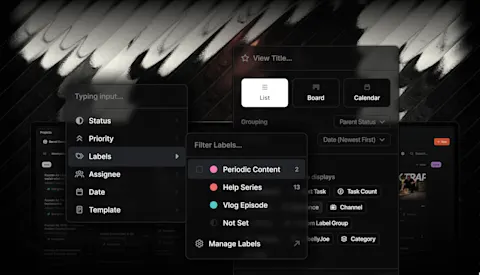
If your scheduling tool supports custom labels on posts, the four modes are exactly the labels you want. Tag every post with its mode as you build it, then have the scheduler pull a story for Monday, a worldview for Tuesday, a direct-education piece for Wednesday, a demonstration for Thursday. Or whatever rotation you've decided works for your channel. The schedule ends up enforcing the mode mix instead of leaving it to your creative instincts, which will drift back to the default within a fortnight.
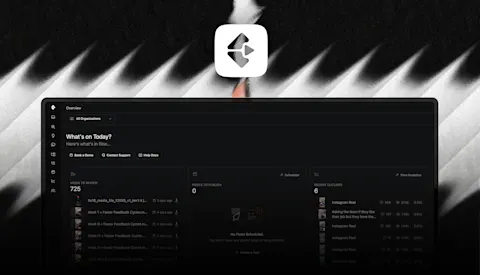
Clipflow's auto-scheduler treats custom labels as includes/excludes conditions, so the four teaching modes plug in as label-driven cadence out of the box. Anyone running an editorial calendar in Notion or a spreadsheet can build the same thing with a column and a filter. The specific tool matters less than the fact that the rotation is systemised somewhere outside your head.
What this changes over a quarter
The reason the four-modes lens is worth internalising is that it changes the shape of the feedback loop. Without it, the analytics on a stale feed look ambiguous, the topics all feel similar, nothing's obviously broken, and the operator ends up chasing surface-level changes like posting times or thumbnail styles. With it, the diagnosis is specific: three doors are locked, unlock them, and the segments behind them start walking in.
The other thing that shifts is how the operator reads underperforming posts. A worldview take that got no traction is not necessarily a bad take, it might just be the fifth worldview take in a row and the direct-education audience has stopped watching. Naming the mode makes the miss legible instead of demoralising, which is often the difference between a channel that compounds over a year and a channel that gets abandoned in month four because nobody could tell what was going wrong.