When we were younger and running services, we held our prices for a long time. Putting them up felt risky, so we kept avoiding the decision.
Over time, I learned to look more closely at what a price change meant for the work. The amount left after delivering a job matters, as well as the number of people saying yes.
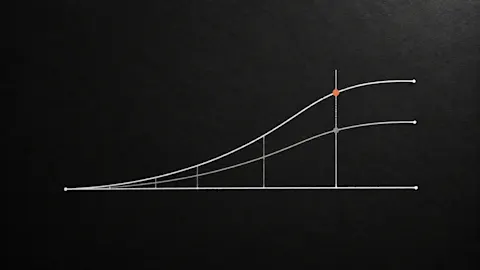
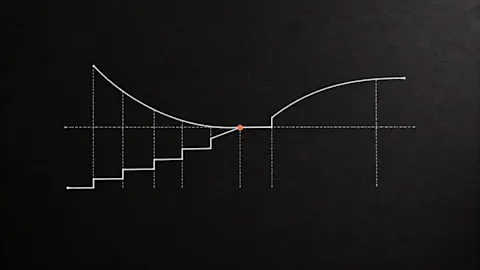
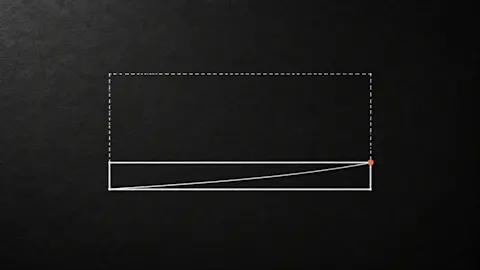
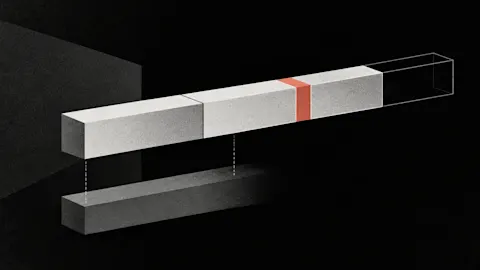
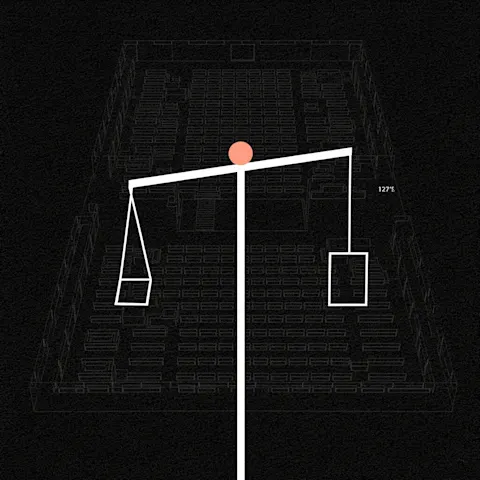
I use a deliberately simple example to explain it. Say a job sells for $1,000 and costs $500 to deliver. At a $2,000 price, with that same delivery cost, the amount left would be $1,500 instead of $500.
That calculation doesn't tell you how many customers will accept the new price. A higher price can also mean more refusals. It's an illustration of what happens to the margin on a job, rather than a promise about total profit.
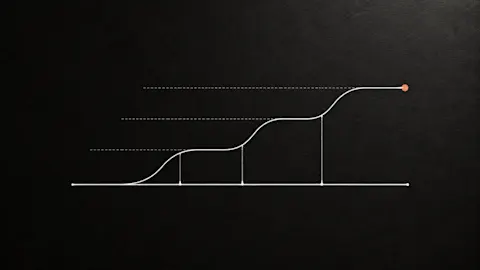
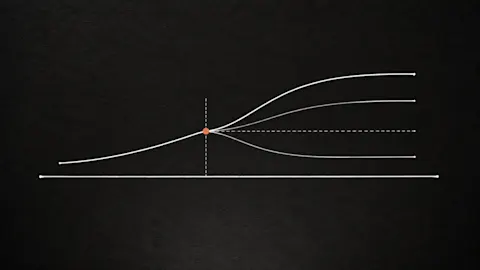
You also don't need to double a price to learn something. My preference is to make smaller changes, see how new leads respond and keep adjusting. That can be particularly useful when your time is the limit on how much work you can take.
If too many people start saying no, that gives you information as well. You can reconsider instead of pretending the number you chose must be correct forever.
I wish we'd treated pricing as something we could learn about earlier. Holding the same price avoided an uncomfortable conversation. It also stopped us learning what customers would pay for the service.