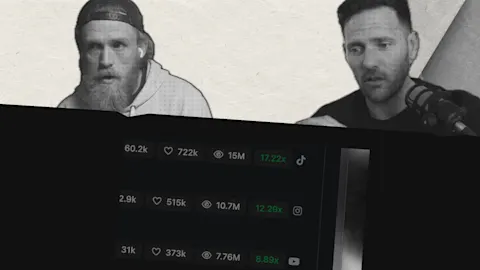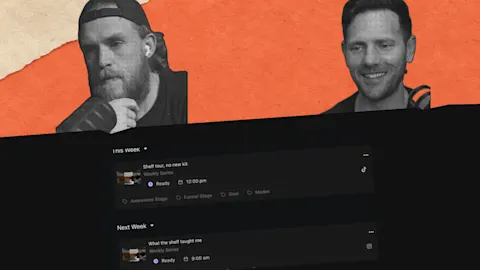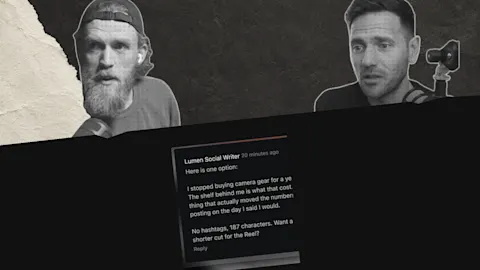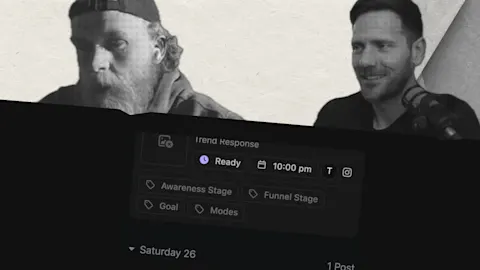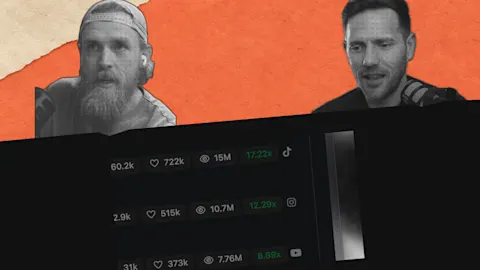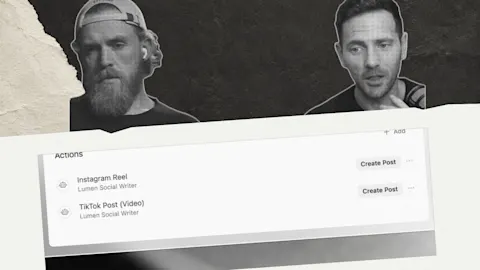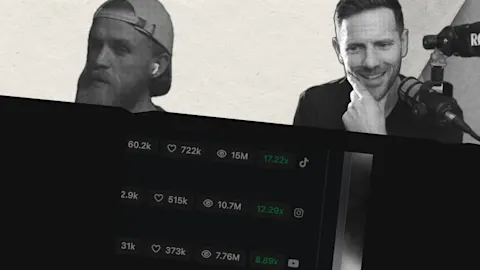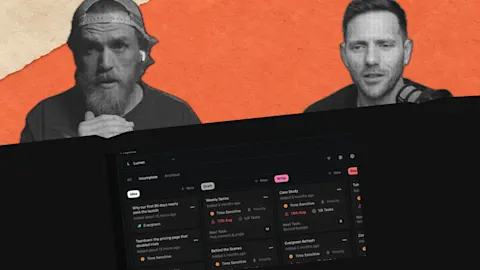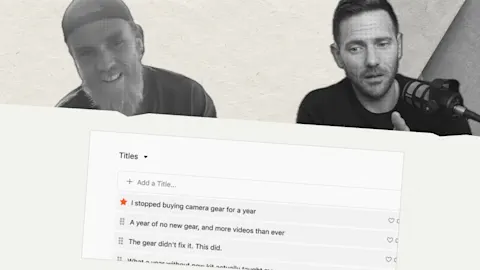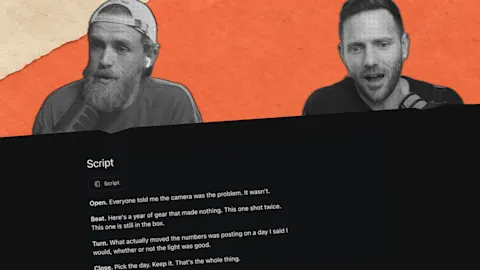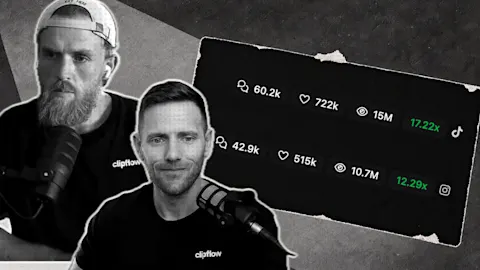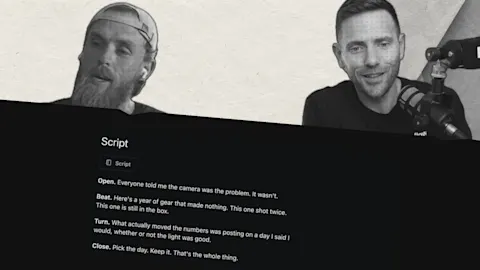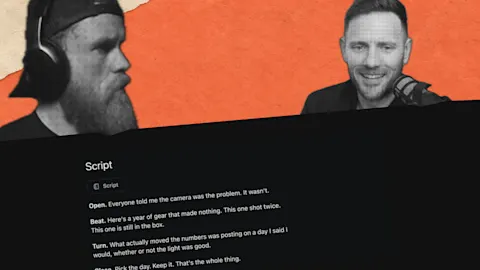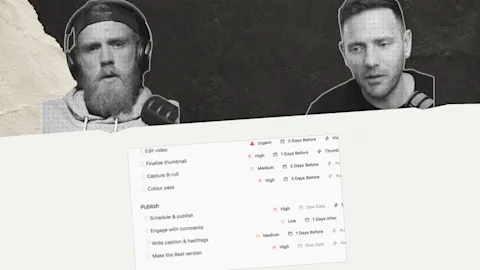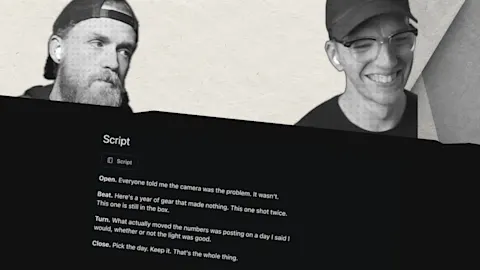
Publishing more can give a team more chances to learn, and more work to manage. Our high-volume short-form experiment had started creating noise. The team was adjusting its output around clearer intentions and the lessons it could actually use.
Progress update from 6 September 2025. The experiment and workload observations were specific to our team, rather than a recommended posting frequency for every business.
TL;DR
Clipflow updates
- The team had tested a large volume of short-form content over several months.
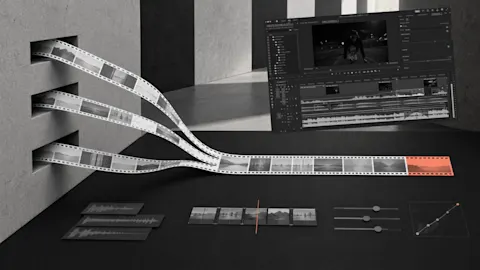
- That work exercised its own production system and exposed improvements needed in the edits and openings.
- Unclear intentions also created extra work, prompting a more focused content approach.
Putting it to work
- Define what a batch is meant to teach you before increasing its size.
- Give the team room to apply what it learns instead of continually adding more production.
Give the batch a question
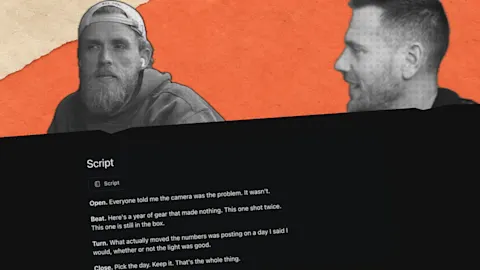
Publishing at volume gave us feedback quickly. It also recognised that publishing without a clear intention had created unnecessary work and made the operation harder to manage.
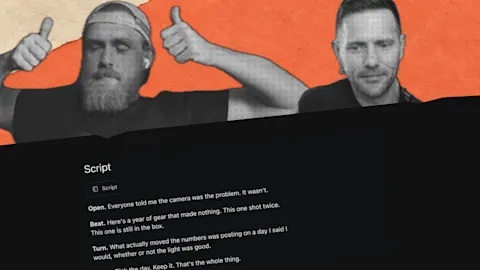
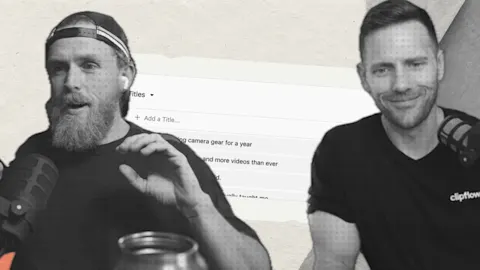
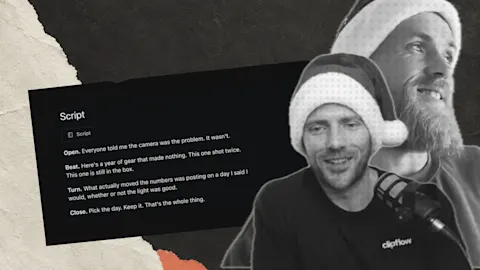
For a business, a useful batch might test several ways of opening the same customer explanation. Keep the underlying question and factual answer consistent, then review whether each opening gets to the point clearly.
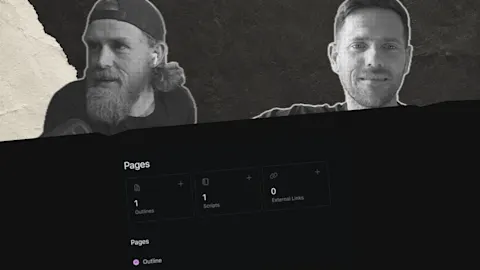
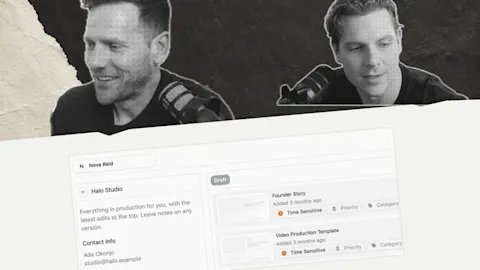
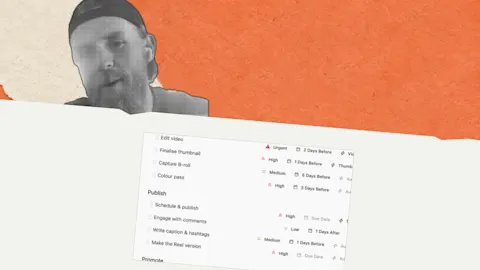
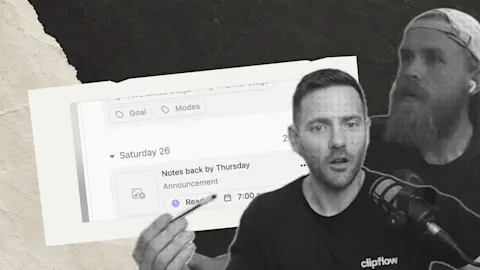
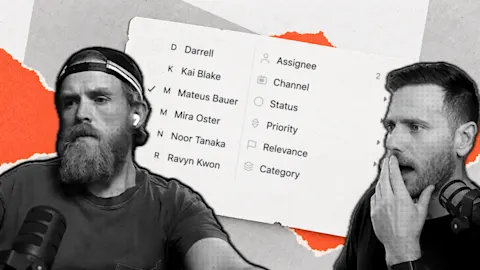
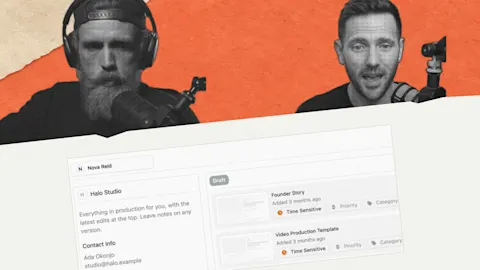
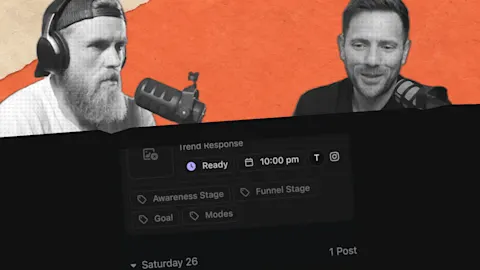
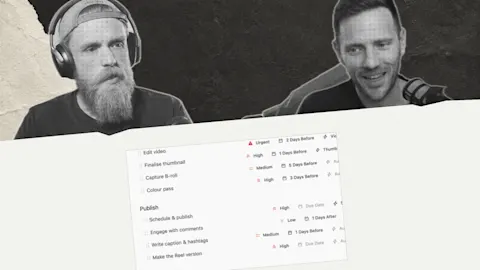
Record the purpose in the project page. That lets the editor and reviewer judge the work against the experiment, instead of treating every video as an unrelated assignment.
Leave capacity to improve the next version
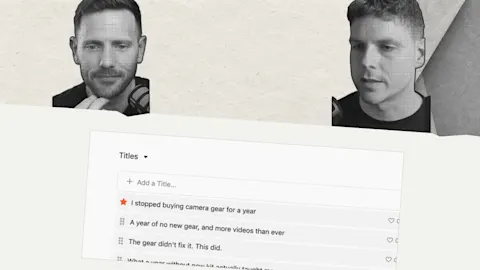
More completed posts are only useful when someone reviews the response and changes the next piece. We wanted to improve short-form editing and move toward material more directly connected to business, systems and content operations.
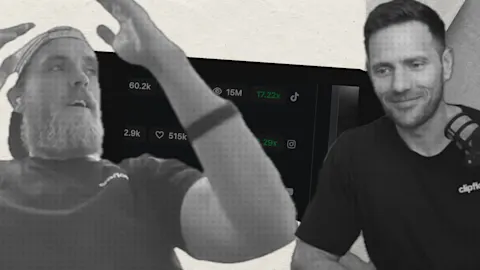
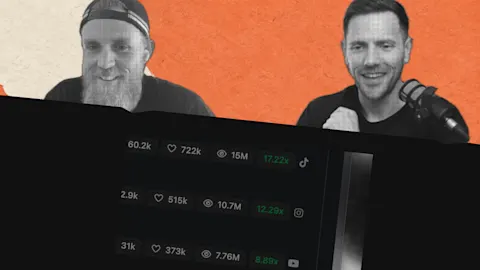
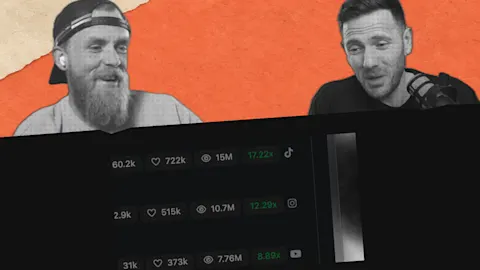
Combine the available analytics with a review of the explanation itself. Small differences in views need context; a clearer opening or a repeated customer question can provide another reason to improve a topic.
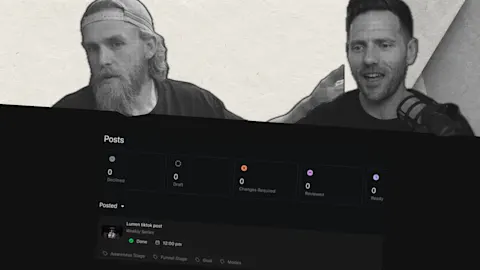
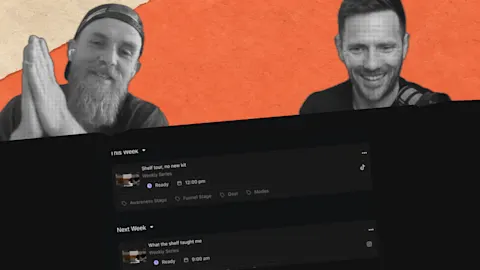
If the queue leaves no time for that work, reduce the batch. A sustainable production rhythm needs room to record, edit, approve and learn, rather than making the calendar fuller at every step.
Subscribe to the Clipflow YouTube channel for more updates here.
Follow Ken on Instagram here.
Follow Darrell on Instagram here.