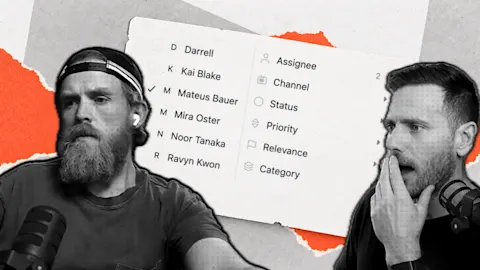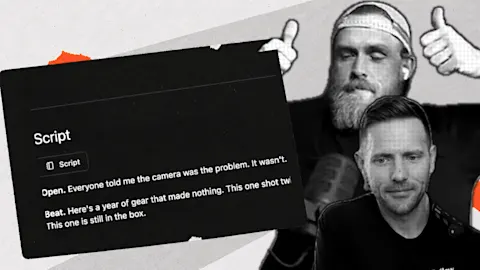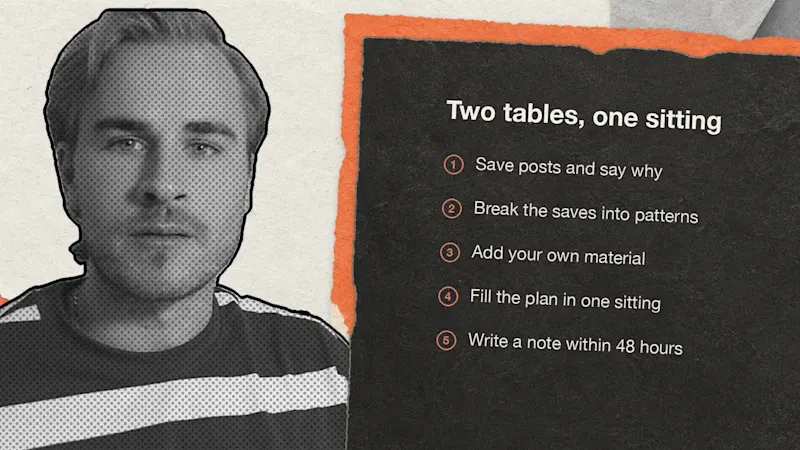
Writing a post takes less time than it used to, and deciding what to post is now the slow part. This routine gives that decision a home: two tables, a short weekly session, and a note on every post after it runs.
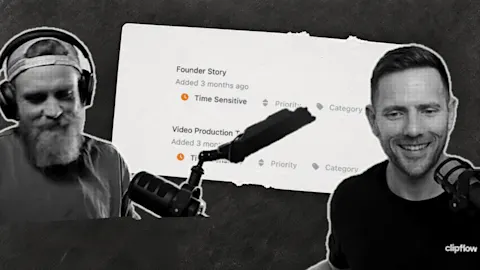
Source: The routine comes from Eden's video "How To Create 1 Week of Content in 1 Hour", a demo of the maker's own content workspace. The post-review loop comes from J.B. of VibeMarketer. Eden overlaps with what we build, so we've written this for a plain spreadsheet, which works with any tool. The maker's estimate is one to two hours a week for ideas, and review and editing come on top of that.
Set up your two tables
Start with two tabs in a spreadsheet. The first is your content bank, with one row for every post you save. The second is your content plan, with one row for every post you intend to publish.
Content bank columns:
- Link
- Creator and platform
- Format, such as a contrarian take, a list of mistakes or a story with a lesson
- Outlier score
- Text hook and spoken hook
- Topic
- Idea seed
- Why I saved it
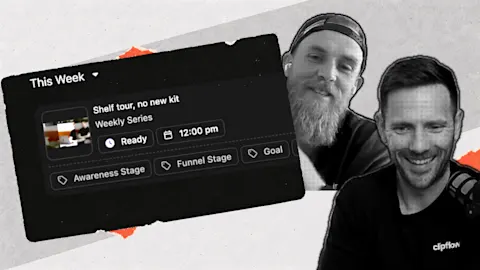
Content plan columns:
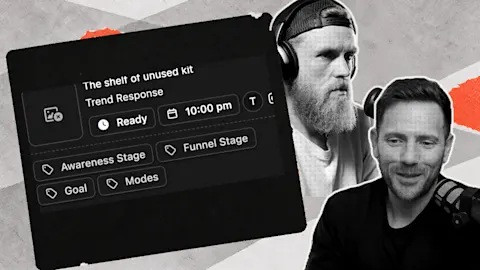
- Idea and day
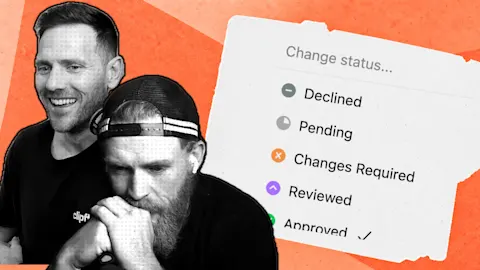
- Status: drafting, scheduled or posted
- Format
- Pattern borrowed from the bank, and the post you're emulating
- Your hook
- Link to the draft
- Will it spread?
- Will it sell the offer?
Pick five to ten reference creators
Choose people who show what you want your brand to become. Pick them for look, voice and business philosophy separately, because one account rarely covers all three.
Lean towards mid-size accounts. Famous people get engagement on everything, so their posts tell you very little about what worked. If you have no names yet, ask a chat model: "I write about X, Y and Z. Look up the creators in those topics and a few mid-size creators that are doing well and tell me who they are." Then check each suggestion yourself, since in our experience models can invent or misjudge accounts.
Save posts by hand and say why
Spend a few minutes each day scanning your reference list, and save anything that stands out. On every save, write one line saying what you saved it for: the hook, the look or the idea. Those notes are what make the bank yours, so don't skip them.
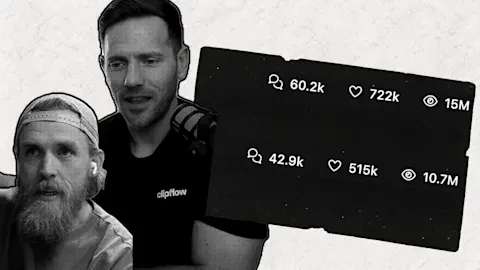
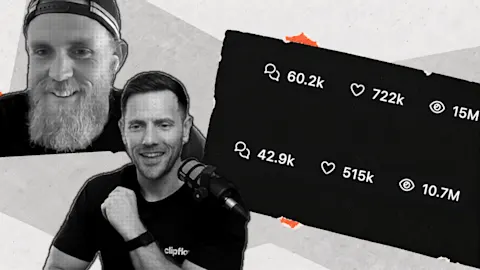
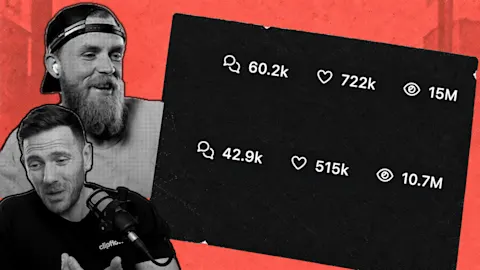
Rank saves by outlier score. Eden's version compares a post with that account's typical post, and J.B.'s version divides views by followers. By J.B.'s method, a made-up post with 40,000 views on an account with 5,000 followers scores 8, and we'd learn more from it than from a celebrity's million views.
A high score doesn't mean the post is good. Launch hype and rage-bait also beat follower counts, so your note should explain what you'd borrow, and if you can't name anything, leave it out.
Break the saves into patterns
Once a week, fill in the rest of each row. You can do this yourself or ask a model to "reverse engineer" each saved post into the bank's columns. The result is a list of formats and hooks you can use without having the original posts in front of you.
Sort by format and look for repeats. If six of your last ten saves are stories with a lesson at the end, you've learned something about your own taste as well as what's working.
Add your own material
The bank tells you the shape of a post, and the substance has to come from you. Eden's phrase is "borrowing the shape, not the substance", and it's the rule that keeps this from turning into copying.
Keep two things beside your tables. The first is a context document with your story, experience and beliefs. Eden's prompt for building one with a chat model is a good start: "I want you to interview me to pull my story, key experiences and polarizing beliefs out of me to create a brand context document that I can refine and add to over time."
The second is an unsorted list of ideas you like from books, highlights, customer calls and niche accounts. Dump them in as you find them, because the weekly session goes much faster when this list already exists.
J.B. puts the same point more firmly: top posts come from real work, so the topic choice stays with you.
Fill the plan in one sitting
Now open the plan tab and write one row per post. Take a pattern from the bank, an idea from your own material, and write your own hook.
Then tick the two boxes. "Will it spread?" asks whether someone outside your audience would care. "Will it sell the offer?" asks whether the right person would move closer to buying. Eden's rule is that the first must be ticked and both should be, and we'd take out any post that ticks neither.
Example: a physio clinic owner has saved a list format from a fitness creator, and a client asked this week why their back hurts after sitting. The plan row reads: Tuesday, reel, "list of mistakes", hook "Three things you do at your desk that your back keeps a record of." Both boxes get a tick, because desk workers will send it to each other and it points towards a booking.
Draft, then edit every line
Draft from the plan row, by hand or from a voice note. J.B. records the idea aloud and has an AI agent draft from the saved examples and past performance notes. Models don't get it right in one pass, so most of your time here goes into editing line by line.
Budget for that time separately. Eden's "one to two hours" covers ideas only, so a business posting five times a week should expect a longer week the first time through.
Write a note within 48 hours
J.B. has software review each post after 48 hours. This is our by-hand version: two days after each post, add five lines to a third tab.
- The format.
- The hook.
- What the numbers did against your usual post.
- What people asked for in replies or comments.
- What you'd do next time.
Once a week, read the replies across your recent posts and write down what people liked, disliked and asked for. Those requests go straight into your ideas list.
Run your first week
- On Monday, make the two tabs and add your reference creators.
- Save ten posts this week, each with a reason.
- On Friday, fill in the bank and block out two hours to plan next week.
- Write a five-line note on each post 48 hours after it goes out.
Your second session will be faster than your first, because the bank and the ideas list will already hold something to work from.