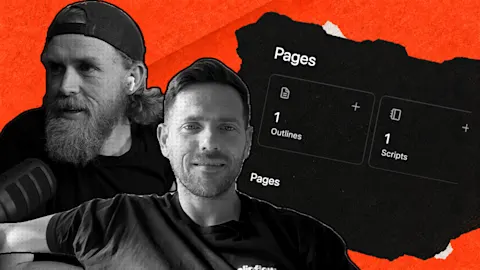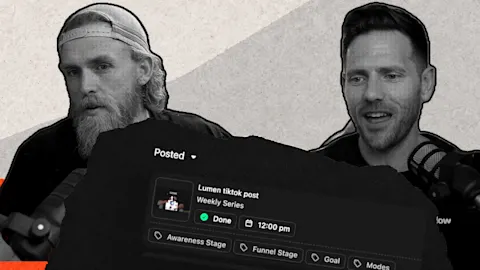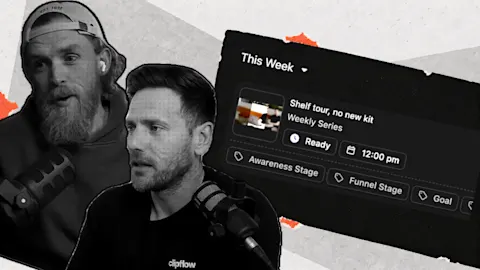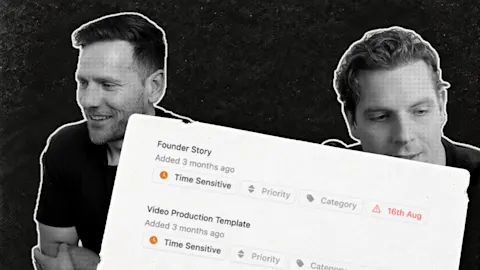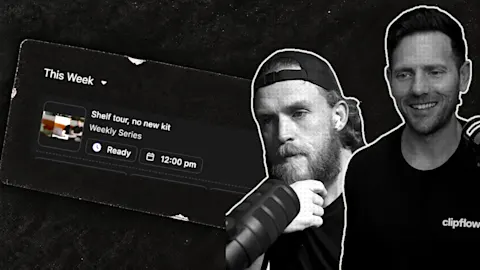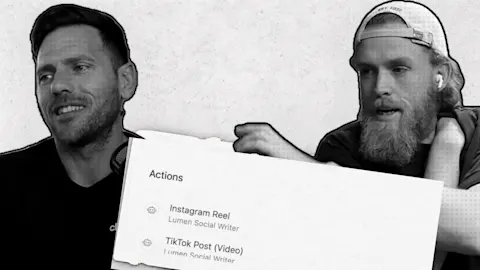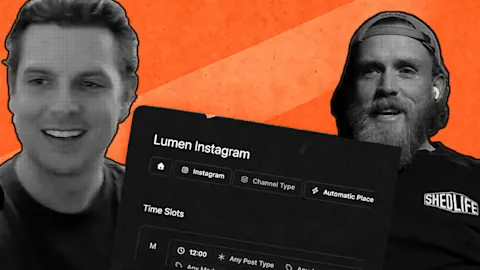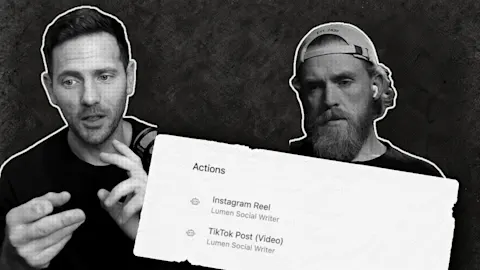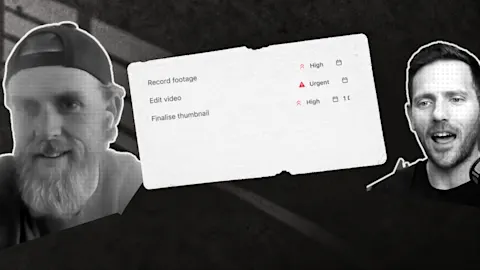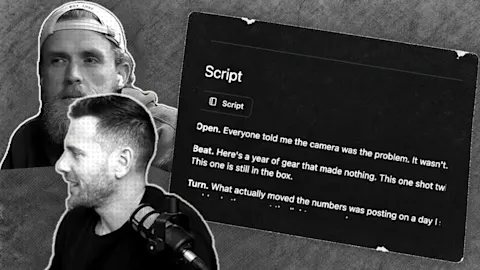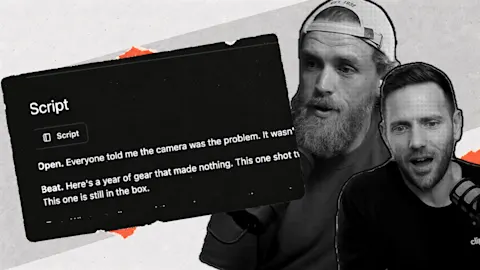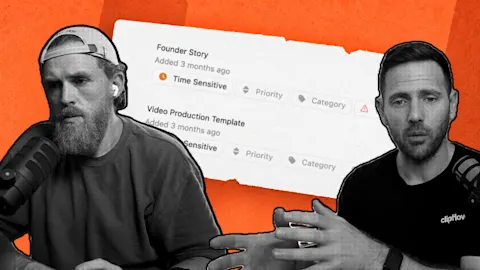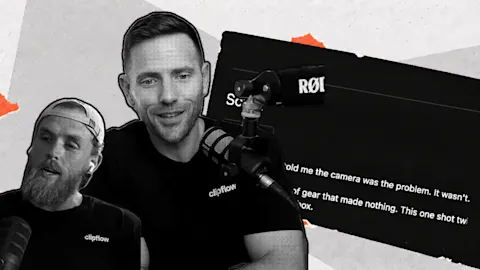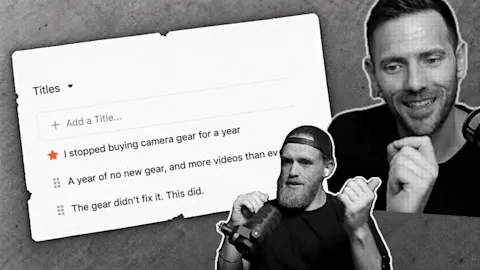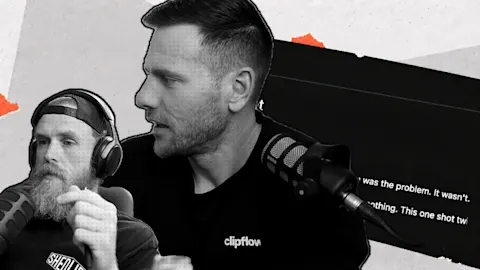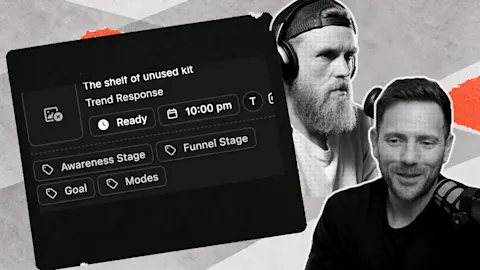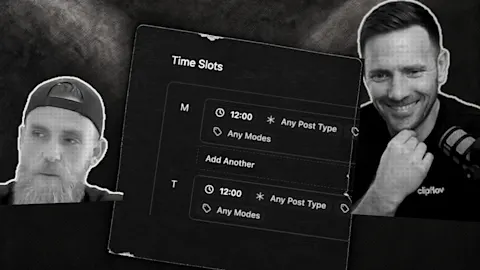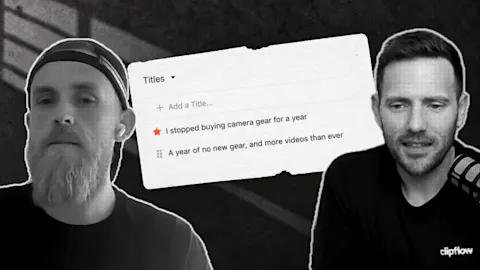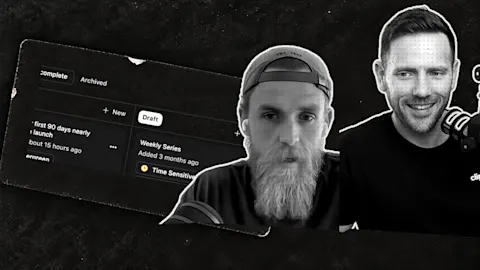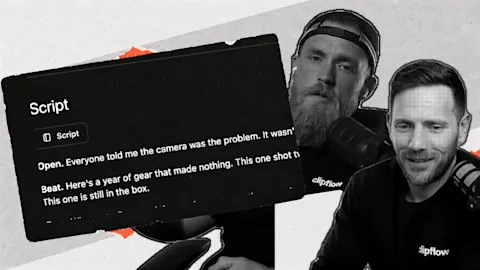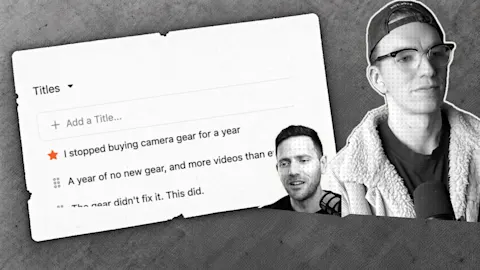
I recorded a bunch of ideas on a walk, and Zach turned them into carousels and posts. Then he told me we had three weeks of content ahead of us.
That felt good. We had breathing room, and there were ideas the team could pull from without asking me to record something immediately.
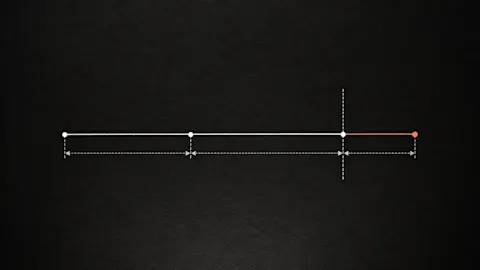
But I also didn't want us to get too far ahead. If we prepare everything before we know what is working, we make it harder to use the results in the next pieces.
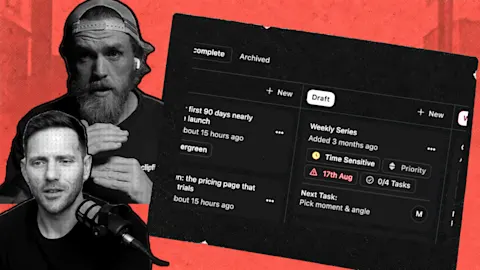
The useful part of that backlog was the material. A thought I'd talked through once could become several forms of content. We could choose from it, refine it and have something ready when the business needed my attention elsewhere.
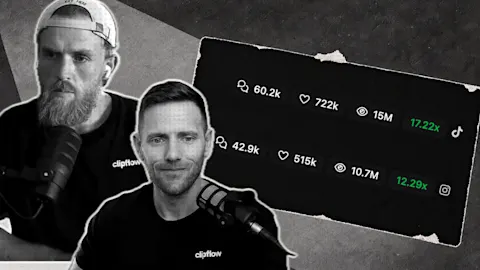
That is different from deciding every detail weeks in advance and never revisiting it. We still want to see which subjects people respond to and what they ask us after watching.
Recording on the walk worked for me because the ideas were already coming. I could stop, talk them through and keep going. The team then had something more substantial than a line in a notes app.
I like having enough material that content doesn't become a daily emergency. I also want enough flexibility that we can make more of a useful idea when we see a response.
So build the buffer, but keep looking at the work you're publishing. A backlog should help you keep going while leaving room to change what comes next.